2026 Convention Sponsors
Gold Sponsors



Silver Sponsors


Convention Bag Sponsor

Digital Sponsor

IAOM Member Rate
Honolulu, Hawaii October 16 – 18, 2026
Non-Member Rate
Honolulu, Hawaii October 16 – 18, 2026
- Full 3-Days $999
-
Day Rate = $400
- Full 3-Days $1299.00
-
Day Rate = $500
($50 saving if you join as a first time member)
IAOM Member Rate
Honolulu, Hawaii October 16 – 18, 2026
- Full 3-Days $999.00
-
Day Rate = $400
Non-Member Rate
Honolulu, Hawaii October 16 – 18, 2026
- Full 3-Days $1299.00
-
Day Rate = $500
International members and non-members Please email info@iaom.com to request a special promo code to help offset currency exchange rates prior to registering for the convention.
Convention Speakers and Sessions
Convention Speakers and Sessions
Friday: October 16, 2026
8:15 am – 10:15 am (Class 1)
Maloko Mauka Ballroom
Dr. Scott Wustenberg
Presentation
The Neurophysiological Impact of Domestication Theory Creating Small Jaws, Brain and Behavioral Change
2.0 Contact Hours
Oral Ties as a Neurodevelopmental Disorder — Reframing Tethered Oral Tissues
For decades, tongue-tie and lip-tie have been viewed from a narrow lens: a baby who can’t latch, a toddler with unclear speech, a child who is a messy eater. This keynote argues that framing as incomplete and clinically and developmentally dangerous. Restricted oral tissues are neurodevelopmental events that influence brain wiring, primitive reflex integration, cranial-nerve function, autonomic balance, posture, sensory processing, and long-term behaviour.
The default clinical posture should shift from “watch and wait” to “always assess, intervene when indicated.”
I aim to recreate the paradigm and link it to brain development. Prevalence estimates of ankyloglossia range from 4 to 10 percent of newborns, yet diagnosis and management remain inconsistent across paediatrics, lactation, dentistry, ENT, speech pathology and allied health.
We will ground the reframe in neuroanatomy and embryology; the tongue is not a muscle in isolation but a midline structure innervated by five cranial nerves, fascially continuous with the hyoid, diaphragm, and pelvic floor, and embryologically intertwined with the developing brainstem.
The analytical core: primitive reflex retention. Moro, ATNR, STNR and TLR each receive dedicated discussion along with the Suck-Swallow-Breath, how they are elicited, the visible motor response, when its retained, and the explicit oral-tie link.
Aberrant trigeminal and vestibular input from a restricted oral environment, combined with chronic micro-arousals from sleep-disordered breathing, prevents these reflexes from integrating on schedule. Retained reflexes then express as the familiar paediatric clinic presentations: poor head control, vestibular intolerance, handwriting difficulty, attention problems, emotional dysregulation.
Part 4 expands to cranial-nerve and autonomic dysfunction. Suck-swallow-breathe is the foundational motor synergy of infancy and remains a vagal-tone barometer for life. Paediatric sleep-disordered breathing affects 20 to 25 percent of children, drives ADHD-like inattention, and is independently associated with tongue function after adjusting for tonsils and BMI. Part 5 traces the long-term sequelae, narrow palate, forward head posture, dysautonomia, learning and behaviour outcomes, making the case that untreated ties accumulate cost across the lifespan.
Part 6 presents an assessment toolkit: a tethered-oral-tissues exam alongside a six-reflex scoring sheet (Moro, ATNR, STNR, TLR, Rooting, Palmomental) scored 0–3, with a total ≥ 6 flagging clinically significant retention.
Part 7 lays out a paediatric intervention protocol structured as prep → release → recovery → integration → consolidation, integrating bodywork, myofunctional therapy, frenuloplasty by an experienced provider, and reflex integration sequenced through the program.
Part 8 grounds the framework in three case studies — an infant with feeding failure, a school-age child with attention and sleep concerns, and an adult presenting with FND seizures , forward head posture — demonstrating how the same paradigm applies across the lifespan with age-appropriate intervention.
We have Q&A moments to encourage clinical dialogue, and the closing references slide hyperlinks 20 peer-reviewed sources spanning the literature. My hope is that practitioners should leave with an evidence-based reframe, a portable assessment instrument, and possible interventions ready for Monday-morning practice.
- Reframe tongue and oral ties as a neuro‑developmental disorder requiring assessment and some form of intervention across the lifespan.The-Continuum-to-be-published.docx+1
- Perform and interpret a basic set of primitive reflex assessments relevant to airway, sleep, and behaviours.
- Identify key micronutrients and gene pathways (MTHFR, BRAF, SHH, FOXG1, DHFR, TGFB3) involved in craniofacial and oral fascial development, and know what to screen for in high‑risk parents.
- Explain how oral movements, the suck‑swallow‑breathe function, and trigeminal input drive cortical wiring and contribute to ADHD/ASD‑like phenotypes when disrupted.
- Critically appraise the emerging evidence that pervasive EMF exposure is an overlooked epigenetic stressor in pregnancy and early life, and discuss pragmatic risk‑reduction strategies.
Time Ordered Agenda with Your Learner Outcomes Addressed
| Minutes | Topic | Learner Outcomes Addressed |
| 10 minutes | Opening, hypothesis, why oral ties matter | 1 |
| 20 minutes | Neural crest, epigenetics, and craniofacial phenotype | 1, 3 |
| 20 minutes | Primitive reflexes, SSB, and brain wiring | 2, 4 |
| 20 minutes | Practical primitive reflex screening tools | 2 |
| 10 minutes | Nutrient and SNP screening for high‑risk parents | 3 |
| 10 minutes | Postnatal oral tie intervention and neuro‑rehab | 1, 4 |
| 10 minutes | EMF as epigenetic load and risk‑reduction strategies | 5 |
| 10 minutes | Bringing it together for IAOM, call to action | 1–5 |
| 10 minutes | Questions and answers | All outcomes |
Total Instructional Hours: 120 minutes
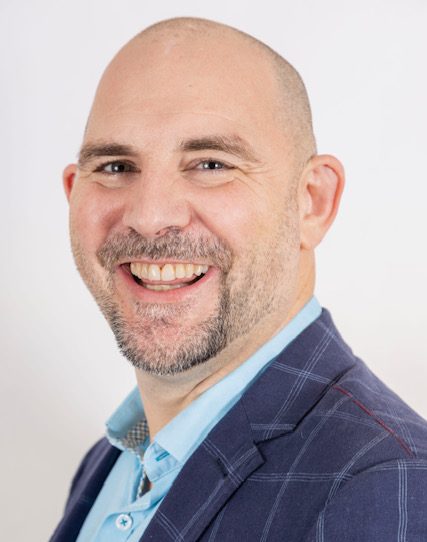
Dr. Scott Wustenberg D.C., FACNEM- Neuro Developmental Chiropractor and Nutritionist
Dr. Scott Wustenberg, the innovator and lead practitioner of Advance Brain Clinics, transcends the typical Chiropractor. Dr. Scott is an enthusiastic educator in nutrition, chiropractic neurology, and sleep and airway medicine.
Motivated by his uncle to pursue a career in Chiropractic, Scott studied Biochemistry and Physiology at Auckland University and Chiropractic at the NZCA School of Chiropractic. He graduated from the first class from the New Zealand School and has built thriving practices in New Zealand and Australia. Scott possesses a Bachelor of Science, a degree in Chiropractic, a Master’s degree in Nutrition Medicine, postgraduate certifications in Neurorehabilitation, and a Fellowship in Nutrition and Environmental Medicine.
Dr. Scott is Certified in various chiropractic Techniques, including neuro-rehabilitation, Sacro-occipital technique (SOT), craniofacial pain, and TMJ biomechanics, as well as cranial therapy. He also employs orthomolecular medicine, usually referred to as functional nutrition, to provide comprehensive patient care, with a brain focus.
Dr. Scott’s commitment to influencing people’s lives has been motivated by his children’s health challenges, prompting him to investigate sleep disorders, tongue tie, airway fragmentation, and mental health concerns as they affect human health and well-being.
Scott has presented internationally and is the author of “First Principles” How a small problem in early life creates havoc across time, and promotes the assessment of Oral airway functional maldevelopment syndrome (OAFMS). This book looks at how tethered Oral structures and Airway issues effect Health through the course of people’s lives, how they are actually Neurodevelopmental, epigenetic disorders effected by partner choice and our environment.
Scott is presently engaged in a Ph.D. programme at Australian Catholic University, with the goal of the publication of his thesis on Domestication Theory. A framework to comprehend the heightened prevalence of aerodigestive tract dysfunction, encompassing an increase in tongue and oral ties, orthodontic requirements, and sleep and respiratory disorders.
Scott is passionate about guiding patients in improving their health to improve their future, advocating for the realisation of health potential through nutritional and lifestyle modifications, encompassing sleep, breathing, diet and movement.
He is a living testament to the joyous impact of nutrition and physical activity on achieving an Optimal Brain and Life.
Sleep Breath Health
Financial Disclosures:
- I am in private practice and sell books and products that I believe may help individual patients.
Non-Financial Disclosures:
- I am independent of all institutions and work for myself. All information presented, is my own hypothesis and recombination of the literature. I give great thanks and acknowledgement to all researchers that have gone before me and contributed to my synthesis in this presentation.
- Convention hotel/lodging and flight stipend/reimbursement paid for by the IAOM as part of speaking
Friday: October 16, 2026
10:30 am – 12:00 pm (Class 2)
Maloko Mauka Ballroom
Nicole Goldfarb, SLP, COM
Presentation
The Sleeping Tongue: How Orofacial Myofunctional Therapy Can Influence Breathing at Night
1.5 Contact Hours
Sleep-disordered breathing (SDB) has traditionally been conceptualized primarily as an anatomical disorder involving upper airway narrowing and collapse. However, emerging physiologic research demonstrates that airway stability during sleep is also heavily dependent upon neuromuscular responsiveness, upper airway muscle tone, motor recruitment patterns, and endurance behavior of the upper airway dilator musculature — particularly the genioglossus muscle.
This presentation explores the role of the tongue as an active neuromuscular structure during sleep and examines the physiologic rationale for how daytime orofacial myofunctional therapy (OMT) influences nocturnal airway stability. Participants will review current concepts related to tonic and phasic upper airway muscle activation, muscle fiber composition, oxidative capacity, airway collapsibility, negative pressure reflexes, and the interaction between structure and neuromuscular control in obstructive sleep apnea (OSA) and upper airway resistance syndrome (UARS).
The presentation further examines the tongue as a muscular hydrostat and discusses how oral rest posture, lip seal, mandibular position, and tongue posture influence upper airway mechanics and airway resistance during sleep. Concepts such as genioglossus length–tension relationships, mandibular drop, airway stability thresholds, and the interaction between anatomy and muscle behavior are integrated into a broader systems-based understanding of sleep-disordered breathing.
Current evidence regarding OMT and sleep-disordered breathing is reviewed, including literature related to apnea-hypopnea index (AHI), snoring reduction, oxygen saturation, CPAP adherence, pediatric airway development, and long-term functional stability. Emphasis is placed on understanding OMT not simply as “tongue exercises,” but as neuromuscular reeducation involving motor coordination, endurance behavior, resting posture normalization, and functional airway stabilization.
The presentation also discusses pediatric implications, including the role of oral rest posture and orofacial muscle function in craniofacial respiratory development and airway growth. Participants will leave with a deeper physiologic understanding of how upper airway muscle behavior contributes to sleep-related breathing disorders and the potential interdisciplinary role of OMT within airway and sleep medicine.
- Describe the role of the genioglossus muscle and upper airway musculature in maintaining airway stability during sleep.
- Differentiate tonic and phasic upper airway muscle activation patterns and explain their relationship to sleep-disordered breathing.
- Explain how oral rest posture, lip seal, mandibular position, and tongue posture influence upper airway mechanics and airway collapsibility.
- Summarize current physiologic concepts supporting the role of orofacial myofunctional therapy in sleep-disordered breathing management.
- Discuss the interaction between airway anatomy, neuromuscular responsiveness, ventilatory control stability, and arousal threshold in UARS and OSA.
| Minutes | Topic | Learner Outcomes Addressed |
| 10 minutes | Introduction: The Tongue as an Airway Organ | Outcome Number(s): 1 & 3 |
| 15 minutes | Genioglossus Physiology and Airway Stability | Outcome Number(s): 1 & 2 |
| 10 minutes | Muscle Fiber Composition, Endurance Behavior, and Oxidative Capacity | Outcome Number(s): 1 & 2 |
| 10 minutes | Oral Rest Posture, Lip Seal, Mandibular Position, and Airway Mechanics | Outcome Number(s): 3 & 4 |
| 10 minutes | OSA vs UARS: Neuromuscular and Physiologic Considerations | Outcome Number(s): 2 & 5 |
| 10 minutes | OMT as Neuromuscular Reeducation: Endurance, Coordination, and Stability | Outcome Number(s): 4 & 5 |
| 10 minutes | Pediatric Airway Development and Functional Implications | Outcome Number(s): 3 & 4 |
| 5 minutes | Current Evidence and Research Review | Outcome Number(s): 4 & 5 |
| 10 minutes | Questions and Answers | All outcomes |
Total Instructional Hours: 90 minutes
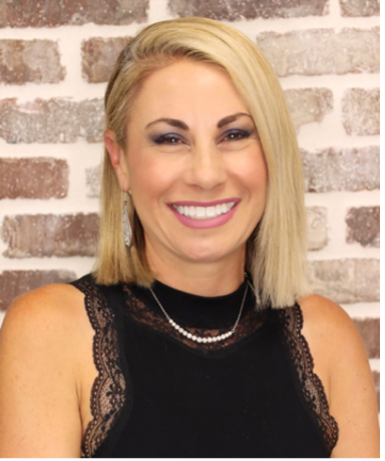
Nicole Goldfarb, MA, CCC-SLP, COM®
Certified Orofacial Myologist®
International Lecturer, Author, & Podcast Host
Nicole Goldfarb has been practicing Speech-Language Pathology since 2003 and Orofacial Myofunctional Therapy since 2008. She has achieved numerous advanced trainings in both speech-language pathology and orofacial myofunctional disorders, and she has a special interest in sleep-disordered breathing and its relationship to OMDs. She has completed over 50 presentations nationally and internationally on OMT as it relates to SDB. Nicole is on the Child Airway Initiative Task Force through the ADA, is the host of a podcast/YouTube “Airway Answers with Nicole Goldfarb”, has written a 2023 article in Dental Sleep Practice Magazine “Why Every Dentist and Orthodontist Should Have an Orofacial Myofunctional Therapist on Their Team” and a 2024 article in Sleep World Magazine “Helping to Restore Proper Rest: How orofacial myofunctional therapy can aid in the treatment of sleep-disordered breathing”, is the author of 2 chapters on OMT in an upcoming medical textbook edited by Dr. Bill Harrell, Dr. David Gozal, and Dr. David McIntosh, and is also the author of an upcoming children’s book series The Adventures of Captain Airway and Mr. Mighty Mouth, aimed at bringing airway insight and to young children, their parents, teachers, and other medical professionals. Nicole is a Talk Tools education partner, and has served on the faculty for Airway, Sleep, and Pediatrics Pathway (ASAP), and is on the Board of Directors and faculty for the Sleep Education Consortium (SEC). Nicole currently serves as a mentor and consultant to patients, professionals, and colleagues in the field of OMT.
Financial Disclosures:
- Nicole Goldfarb is the owner of San Diego Center for Speech and Myofunctional Therapy.
Non-Financial Disclosures:
- Nicole Goldfarb is the host of the podcast Airway Answers with Nicole Goldfarb.
- Convention hotel/lodging and flight stipend/reimbursement paid for by the IAOM as part of speaking
Friday: October 16, 2026
12:00 pm – 1:00 pm (Class 3)
Maloko Mauka Ballroom
Sharik Peck, PT, MRC
Presentation
Improving Vagal Efficiency; THE Key to Pain Relief, Oral-Motor Function & Speech
1.0 Contact Hours
The human nervous system operates through a delicate balance between the sympathetic (survival) and parasympathetic (recovery) divisions. Research indicates that the cranial nerves—specifically the Trigeminal (CN V), Facial (CN VII), Glossopharyngeal (CN IX), and Vagus (CN X)—serve as primary conduits for modulating this balance. By utilizing targeted sensory input, such as low-magnitude, high-frequency vibration, temperature modifications, smells, and pressure changes, clinicians can influence systemic functions ranging from orofacial pain to gastrointestinal motility.
The Trigeminal nerve (CN V) is the largest cranial nerve, governing the muscles of mastication and providing sensory innervation to the face and teeth. Clinical studies, such as those by Hara et al. (2013) and Pedersen et al. (2017), demonstrate that sensory and especially vibratory stimulation can significantly alleviate symptoms of Temporomandibular Disorders (TMD) and reduce pain during needle-based procedures. This efficacy is rooted in the “Gate Control Theory,” where non-painful vibratory input competes with pain signals at the brainstem level. Furthermore, because CN V and CN X (Vagus) share neuro-anatomical pathways in the brainstem, stimulating trigeminal branches can indirectly influence vagal tone, shifting the patient from a sympathetic-dominant state to one of parasympathetic regulation.
The Vagus nerve (CN X) is the “wandering” nerve, providing the primary parasympathetic drive to the heart, lungs, organs, and digestive tract. Recent research into the “brain-gut-axis” highlights a critical vulnerability: traumatic brain injury (TBI). Studies by Bansal et al. (2009) and Hanscom et al. (2021) reveal that TBI induces immediate intestinal dysfunction, including increased permeability (leaky gut) and dysbiosis. This neuro-enteric breakdown occurs because the Vagus nerve’s efferent communication is disrupted, stalling the cholinergic anti-inflammatory pathway. By stimulating the Vagus nerve—either through transcutaneous methods or targeted oral-motor exercises—it is possible to “upregulate” the parasympathetic system to restore intestinal contractility and reduce systemic inflammation.
Temperature, pressure, and vibration are not merely sensory distractions but biological signals. Research into mesenchymal stem cells and osteoblasts (Chan et al., 2013; Uzer et al., 2014) suggests that low-intensity resonant frequencies promotes cellular healing and gap junction communication. In a clinical setting, these devices leverage frequencies to stimulate cranial nerve access points. For example, stimulating the cymba conchae of the ear or the posterior tongue provides direct access to vagal and glossopharyngeal fibers. These interventions are particularly valuable for populations experiencing “performance anxiety,” throat tightness, or chronic stress, as they provide a non-pharmacological means to downregulate the sympathetic nervous system.
Understanding the interconnectedness of the 12 paired cranial nerves allows for a more holistic approach to therapy. Whether addressing orofacial pain through the trigeminal system or managing the systemic effects of TBI via the vagus nerve, the goal remains the same: autonomic homeostasis. By integrating vibration and sensory-motor techniques, practitioners can improve vagal tone, facilitate swallowing, and enhance the body’s natural recovery mechanisms.
As a result of this class/activity, the participant will be able to:
- Describe anatomy and physiology of the cranial nerves and their involvement in eating, airway, sensory and motor functions.
- Identify and discuss key roles of the autonomic nervous system.
- Identify and discuss the anatomy, physiology, and function of 12 paired cranial nerves.
- Identify the key functions of cranial nerve 5 (CN V) and describe their impact on eating, oral-motor development and sympathetic/parasympathetic functions.
- Identify the key functions of Cranial nerve 10 (CN X) and describe their impact on swallowing, vocalization, eating, digestion and elimination.
- Identify the Key functions of Cranial Nerve Eleven (CN XI) and describe their impact on breathing and self-regulation.
- Identify and demonstrate 7 self-regulation techniques to improve vagal nerve tone for pain relief and improved function.
Time Ordered Agenda with Your Learner Outcomes Addressed
| Minutes | Topic | Learner Outcomes Addressed |
| 20 minutes | Cranial Nerve Anatomy and Function Overview | Outcome Number(s): 1 & 2 |
| 10 minutes | Functional demo | Outcome Number(s): 6 |
| 20 minutes | Deep dive into CN V and CN X Development/Function | Outcome Number(s): 3, 4, & 5 |
| 10 minutes | Functional demo | Outcome Number(s): 6 |
| 20 minutes | Diaphragm & core anatomy/function | Outcome Number(s): 1 & 2 |
| 10 minutes | Functional Demo | Outcome Number(s): 6 |
| 20 minutes | Sensory Motor Cortex/ Cerebellum | Outcome Number(s): All |
| 10 minutes | Questions and Answers | All Outcomes |
Total Instructional Hours: 120 minutes
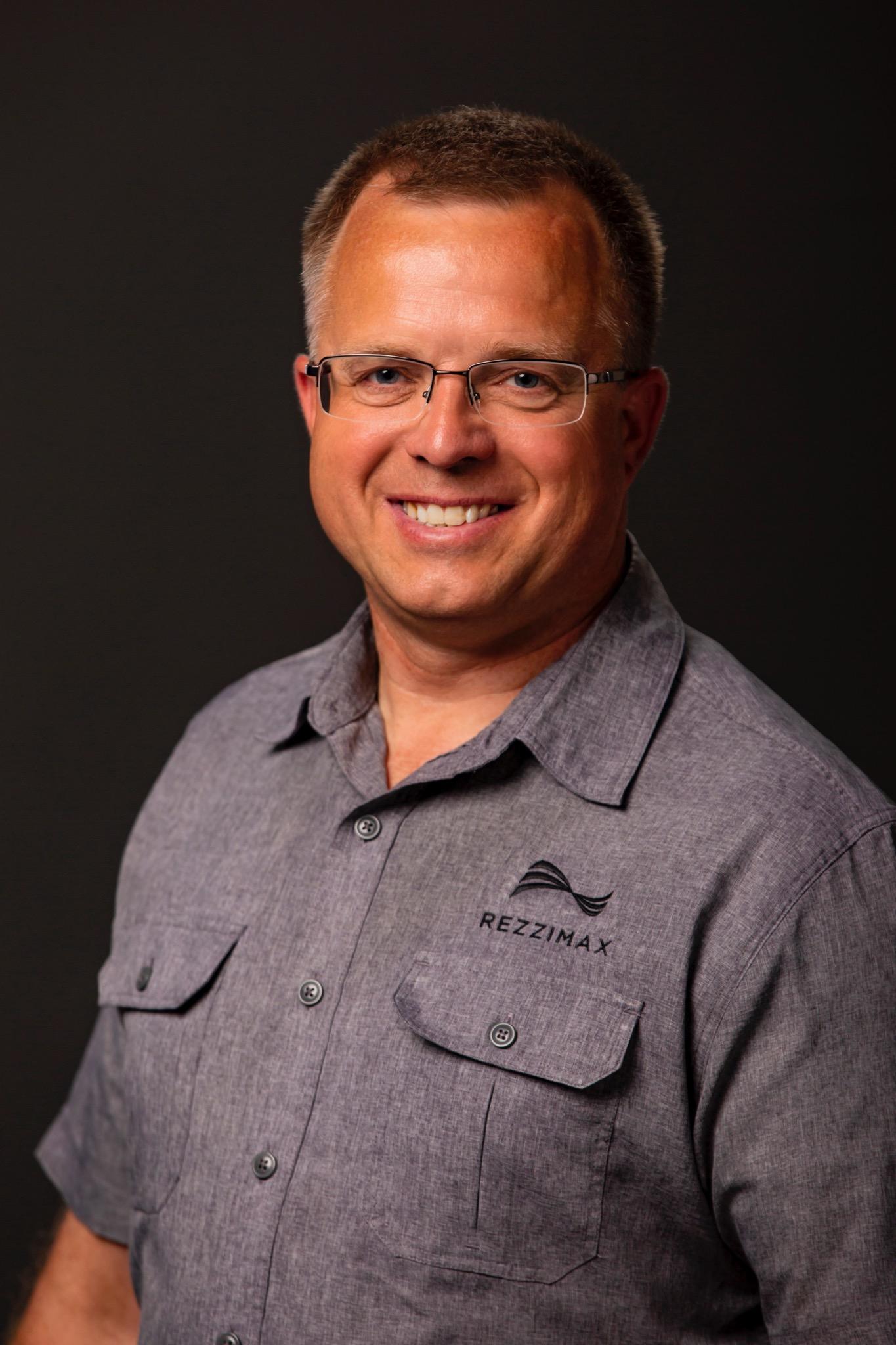
Sharik Peck, PT, MRC
Advanced degrees in physical therapy and rehabilitation counseling. Over 33 years helping people eliminate pain from their lives. I experienced several disabling accidents, including a broken neck and back, a stroke, a dislocated shoulder, and years of chronic pain. My wife suffered from chronic neck and jaw pain. Out of these experiences and an intense desire to help many others in chronic pain, I have been driven to discover a natural solution for pain. My research focused on resonance and its effect on the human nervous system. The Pain Tuner Pro is the result of over 16 years of research and development and has been awarded 4 US patents and 1 China patent. Rezzimax tools and techniques have been studied in 2 clinical trials and is currently involved in two additional clinical trials.
Financial Disclosures:
- Sharik Peck is a physical therapist who has specialized in craniofacial pain, TMJ/TMD, research in headaches and TMD, and he is the CEO of Rezzimax LLC, creator of therapeutic grade resonance devices that assist in improving tone in the vagus nerve function.
Non-Financial Disclosures:
- Convention hotel/lodging and flight stipend/reimbursement paid for by the IAOM as part of speaking.
Friday: October 16, 2026
2:00 pm – 3:30 pm (Class 4)
Maloko Mauka Ballroom
Dr. Josh Madsen
Presentation
Beyond the Tongue Tie: How Oral Restrictions Shape the Developing Brain
1.5 Contact Hours
This presentation explores the neurological impact of tongue ties and lip ties beyond structural correction. Participants will learn how oral restrictions create cervical dysfunction and airway compromise, how that cascade affects primitive reflex development and brain maturation, and how to use reflex assessment as a measurable feedback tool for neurological change. Practical neuroplasticity strategies are provided for cases where reflexes do not resolve following correction.
- Participants will be able to explain the pathway from oral restrictions to cervical and airway dysfunction and its downstream effects on neurodevelopment.
- Participants will be able to identify and assess the three most clinically relevant primitive reflexes associated with tongue and lip tie presentations.
- Participants will be able to use primitive reflex changes as a neurological indicator that an underlying dysfunction has been addressed.
- Participants will be able to apply at least three strategies to enhance neuroplasticity and support brain development when reflexes do not resolve following correction.
Time Ordered Agenda with Your Learner Outcomes Addressed
| Minutes | Topic | Learner Outcomes Addressed |
| 15 minutes | The Pathway-
Mechanism of tongue and lip ties creating cervical restrictions and airway dysfunction. How that dysfunction disrupts the nervous system environment required for normal neurodevelopment. The connection between unresolved oral restrictions and primitive reflex retention. |
Outcome Number(s): 1 |
| 15 minutes | Reflex Assessment Framework-
Introduction to the three most clinically relevant primitive reflexes in this population. Step by step assessment methodology for each reflex. Clinical interpretation of findings in the context of oral and cervical dysfunction. |
Outcome Number(s): 1 & 2 |
| 15 minutes | The Neurological Feedback Loop-
How corrections to oral and cervical dysfunction produce measurable reflex changes. Using reflex shifts as objective evidence of brain level change. Case examples demonstrating the correction to reflex change pathway. |
Outcome Number(s): 3 |
| 10 minutes | Neuroplasticity Strategies-
Approaches to enhance neuroplasticity when reflexes do not resolve following correction. Practical protocols participants can implement immediately with their clients. |
Outcome Number(s): 4 |
| 5 minutes | Questions and Answers (Q&A) | Outcome Number(s):
All outcomes |
Total Instructional Hours: 60 minutes
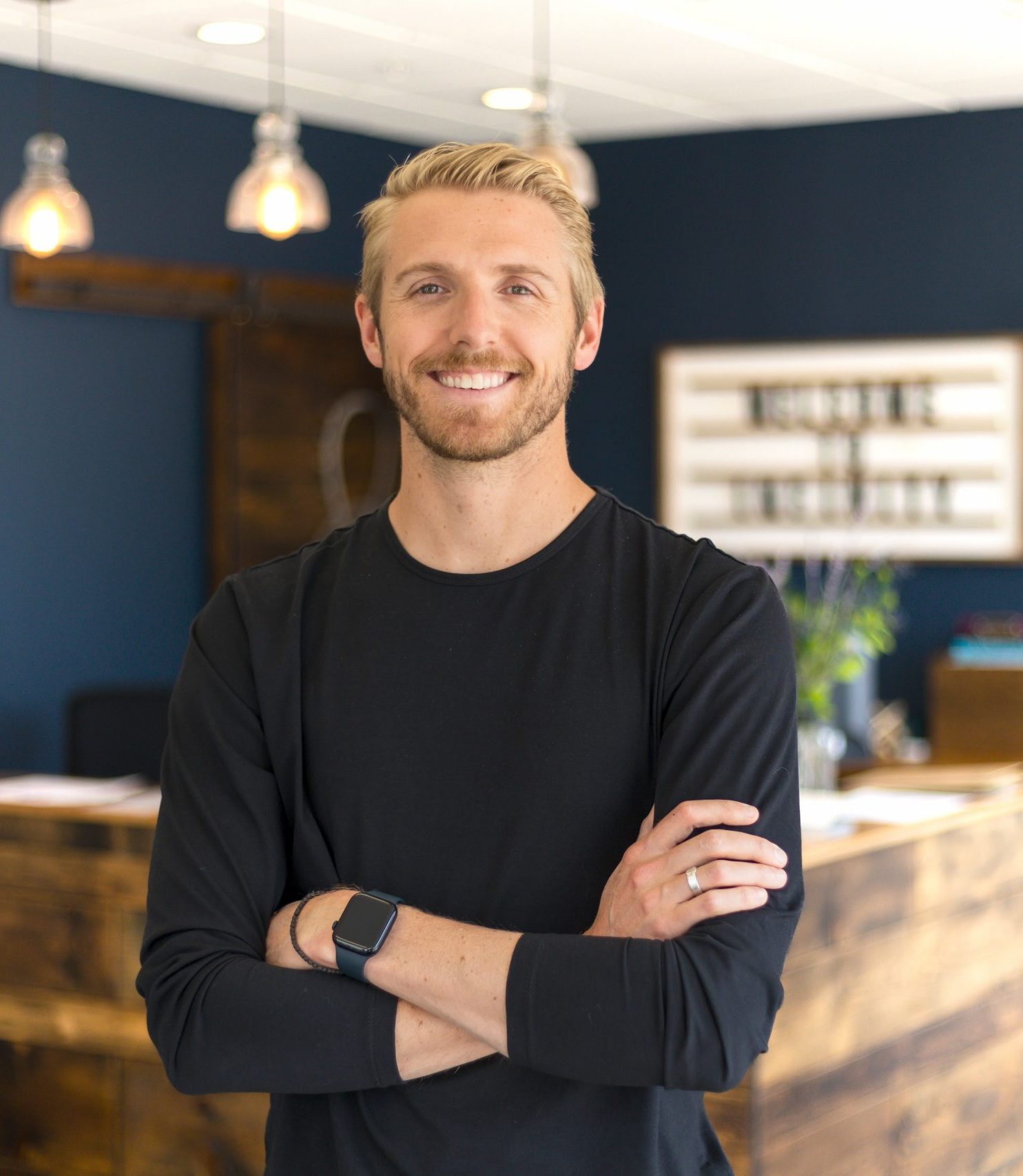
Dr. Josh Madsen first received his undergraduate degree in Exercise Science from University of Northern Iowa. He then went on to become a Doctor of Chiropractic from Palmer College of Chiropractic. As he continued to learn more and grow his knowledge, he studied Neurodevelopmental Delays from Carrick Institute of Clinical Neuroscience and Rehabilitation, and Functional Neurology through Functional Neurology seminars, accredited through the National University of Health Sciences. He has studied hard and continues to grow and learn so as to best equip himself to better use functional neurology, chiropractic, and functional medicine to help children heal and have hope.
Financial Disclosures:
- None
Non-Financial Disclosures:
- Convention hotel/lodging and flight stipend/reimbursement paid for by the IAOM as part of speaking.
Friday: October 16, 2026
4:00 pm – 5:30 pm (Class 5)
Maloko Mauka Ballroom
Carrie Dean
Presentation
Fascia: An Essential Factor In the Whole Body Approach to Oral Dysfunction
1.5 Contact Hours
This presentation is designed for myofunctional specialists seeking a deeper understanding of the role of fascia in functional outcomes. We explore craniosacral and myofascial systems as they relate to oral, facial, and whole-body function, emphasizing the interconnected nature of the fascial system.
Participants will review foundational fascial anatomy, including how tension, restriction, and strain patterns influence posture, breathing, neuromuscular coordination, and oral function. Special attention is given to the cranial and facial regions, where fascial restrictions can directly impact tongue mobility, jaw function, airway dynamics, and treatment progress in myofunctional therapy.
The presentation highlights how unresolved fascial restrictions may limit or delay myofunctional outcomes and contribute to compensatory patterns throughout the body. Attendees will gain insight into how craniosacral and myofascial release techniques support nervous system regulation, tissue mobility, and structural balance, creating a more receptive environment for myofunctional interventions.
By integrating craniosacral and myofascial therapy concepts into collaborative care, myofunctional specialists can enhance treatment efficiency, improve patient comfort, and support long-term functional change. This presentation emphasizes a whole-body, interdisciplinary approach, empowering clinicians to recognize when fascial release may be a critical component in optimizing myofunctional therapy outcomes.
There will be plenty of time for Q and A and thoughtful discussions, as well guided fascial release techniques for all to experience.
1.Describe the anatomy of fascia and the craniosacral system, and how it impacts patient form and function.
- Assess and Identify what medical history (impacting fascia), and fascial strain patterns are relevant to OM treatments
- Identify most beneficial collaborative care, along with timelines, based on patient age, medical history and current health
- Gain confidence in discussing the importance/ relevance of CST and Myofascial release as part of patients careplan
Time Ordered Agenda with Your Learner Outcomes Addressed
| Minutes | Topic | Learner
Outcomes Addressed |
| 15 minutes | Anatomy of Fascia and the Craniosacral System; what they consist of and what affects it. | Outcome
Number(s): 1 |
| 10 minutes | Fascia through the lifespan, considerations at all ages; It starts in utero. | Outcome
Number(s): 1, 2 |
| 15 minutes | A deep dive into the cranium and fascial strain patterns specifically relating to Myofunctional disorders. | Outcome
Number(s): 2 |
| 15 minutes | Case studies; How the work works! | Outcome
Number(s): 3 |
| 15 minutes | Collaborative care; time lines and providers. | Outcome
Number(s): 3 |
| 15 minutes | Guided Myofascial release | Outcome
Number(s): 4 |
| 5 minutes | Questions and Answers | All outcomes |
Total Instructional Hours : 90 minutes
Carrie Dean, IBCLC, LMT, CST, MFR
Carrie is an International Board-Certified Lactation Consultant, Licensed Massage Therapist, and Infant Specialized Craniosacral Therapist in private practice serving families throughout Westchester County, NY, and lower Fairfield County, CT. Based in Larchmont, Carrie provides both in-office and in-home care, offering
compassionate, individualized support for infant feeding, postpartum recovery, and early developmental challenges.
With more than two decades of hands-on clinical experience, Carrie began her career as a massage therapist in New York City before transitioning into lactation care in 2014 and becoming an IBCLC in 2017. Her work integrates evidence-based lactation support with craniosacral and myofascial therapies to help infants experiencing feeding difficulties, traumatic birth recovery, tongue and lip ties (TOTS), plagiocephaly, torticollis, and other functional concerns.
Carrie collaborates closely with IBCLCs, pediatric dentists, neurologists, Myofunctional therapists, behavioral optometrist, and other healthcare professionals to provide comprehensive, multidisciplinary care for families. In addition to her infant and postpartum work, Carrie also maintains a large craniosacral and myofascial therapy practice serving pediatric, teen, and adult clients. She supports individuals experiencing trauma, ASD, ADHD, chronic pain patterns, postural and nervous system dysregulation, oral dysfunction/ TMJ, headaches, vertigo,
vision issues, and long-standing tension held within the body. Her integrative approach focuses on restoring balance, improving function, and supporting the body’s innate capacity for healing.
Carrie’s personal experiences navigating early feeding challenges continue to shape her empathetic, holistic approach. She is passionate about empowering families through education,advocacy, and integrative care during the transformative postpartum period.
Financial Disclosures:
- None
Non-Financial Disclosures:
- Convention hotel/lodging and flight stipend/reimbursement paid for by the IAOM as part of speaking

- Saturday: October 17, 2026
8:00 am – 9:00 am (Class 6-A)
9:30 am – 10:30 am (Class 6-B)
Maloko Mauka Ballroom
Dr. Pejman Katiraei
Presentation:
Dampness and Mold as a cause of Airway Inflammation, Congestion and Obstruction
Must attend both A&B in order to receive full 2.0 Contact Hours
1 in 3 homes is contaminated by a complex mix of biological toxins, consisting of mycotoxins, bacterial endotoxins, microbial volatile compounds and particulates, and more. Collectively, these toxins can cause profound inflammation in the airways, leading to chronic states of mouth breathing, ENT congestion, and ultimately airway obstruction. Part one of this presentation will explore how this exposure occurs and why it is so often missed on conventional mold testing. The presentation will explore how this exposure leads to airway inflammation and obstruction, as well as how it disrupts the mitochondria, leading to physical and mental fatigue, and hypotonia in the body and mouth. It will discuss how this combined effect can limit the efficacy of myofunctional and airway treatments.
Part two of this presentation will explore how these biotoxins disrupt the gut and microbiome, leading to gastrointestinal disorders and mineral and nutrient absorption. It will discuss how these toxins disrupt the systemic immune response, leading to recurrent infections, as well as disrupting the central nervous system, leading to sensory processing disorders, restrictive eating, disrupted sleep, and odd states of anxiety, OCD, and more. It will discuss how attendees can utilize effective diagnostic tools to detect this exposure in patients and how to guide families to accurately test their homes. It will also discuss simple treatments that providers can use to start helping these patients heal.
As a result of class – A /activity, the participant will be able to:
- Understand the prevalence of contamination due to damp environments.
- Understand how this contamination can cause airway inflammation and obstruction
- Recognize how other organ systems are impacted by this exposure
- Utilize effective diagnostic and environmental assessment tools to identify this exposure
As a result of class – B /activity, the participant will be able to:
- Understand how biological toxins from contaminated environments impact the gastrointestinal tract and mitochondria
- Understand how these biological toxins can impact the immune and central nervous systems
- Understand the signs and symptoms reflecting these abnormalities
Class A Your Time Ordered Agenda with Your Learner Outcomes Addressed
| Minutes | Topic | Learner Outcomes Addressed |
| 10 minutes | Damp Homes and Airway – Exposure | Outcome Number(s): 1 |
| 10 minutes | Damp Homes and Airway – Airway | Outcome Number(s):2 |
| 15 minutes | Damp Homes – Part 2 – Gastrointestinal and Mitochondria | Outcome Number(s): 3 |
| 15 minutes | Damp Homes – Part 2 – Nervous system | Outcome Number(s): 3 &4 |
| 10 minutes | Questions and Answers | All outcomes |
Total Instructional Hours (not including any breaks): 60 minutes
Class B Your Time Ordered Agenda with Your Learner Outcomes Addressed
| Minutes | Topic | Learner Outcomes Addressed |
| 25 minutes | Damp Homes – Gastrointestinal and Mitochondria | Outcome Number(s): 1 |
| 25 minutes | Damp Homes – Immune System and Nervous system | Outcome Number(s):2 and 3 |
| 10 minutes | Questions and Answers | Outcome Number(s): All outcomes |
Total Instructional Hours : 60 minutes
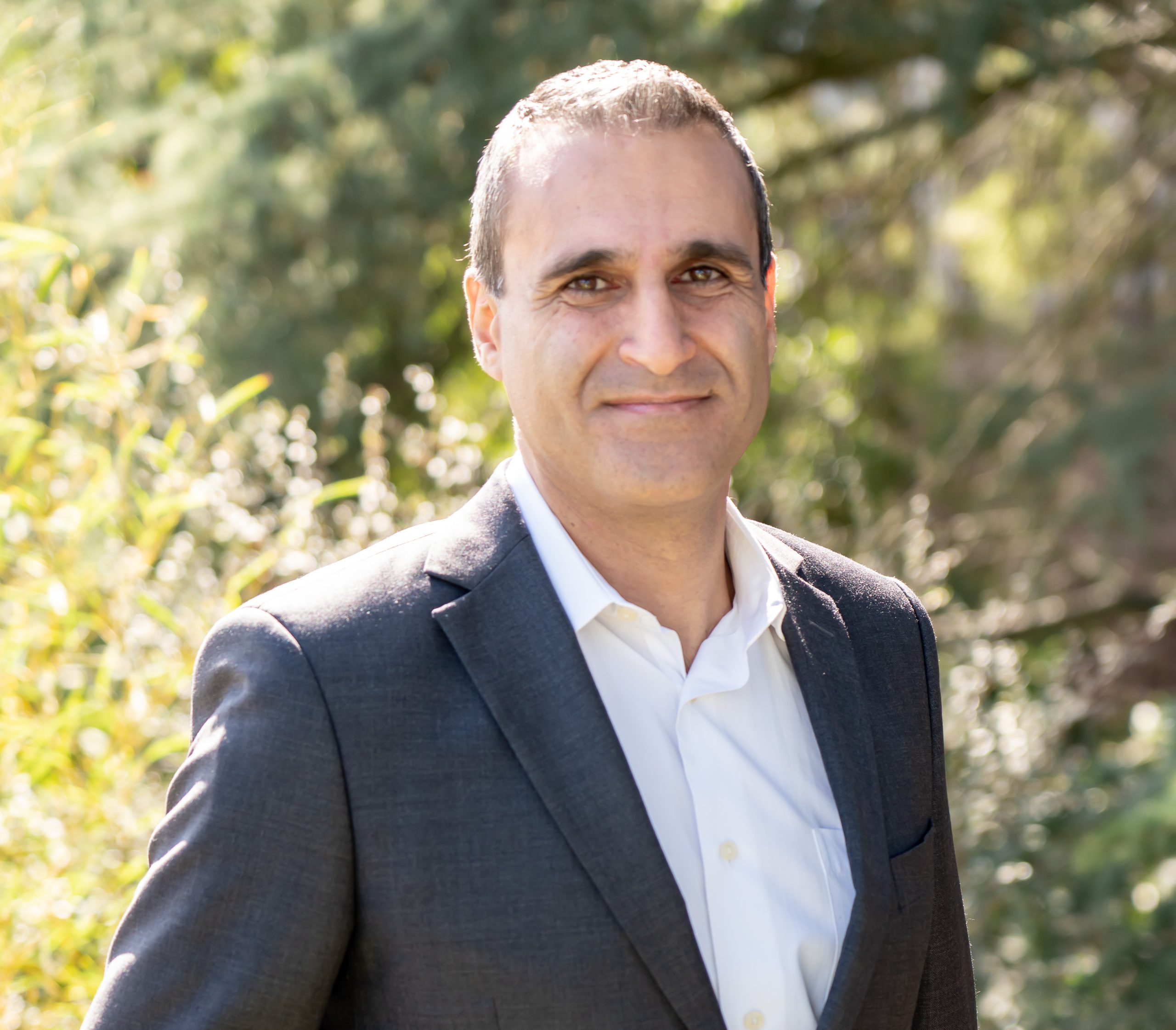
Dr. Pejman Katiraei (Dr. K) is a board-certified pediatrician who completed his undergraduate at UCLA and then obtained his osteopathic medical degree at Western University. He completed a pediatric residency at Loma Linda University, where he stayed on as teaching faculty for over 4 years. He has also completed two fellowships in integrative medicine and has over a decade of clinical experience helping children with severe learning and behavioral challenges. Dr. K is now in private practice in Santa Monica, where he focuses on helping children with mold-related illness, autism and other mental health challenges.
Financial Disclosures:
- None
Non-Financial Disclosures:
- Convention hotel/lodging and flight stipend/reimbursement paid for by the IAOM as part of speaking
Saturday: October 17, 2026
10:30 am – 12:00 pm (Class 7)
Maloko Mauka Ballroom
Patrick McKeown
Presentation:
Functional Breathing for Sleep, Nervous System Balance and Mental Health
1.5 Contact Hours
This presentation explores the role of nasal and functional breathing in supporting airway stability, sleep quality, and long term behavioural change across children, teenagers, and adults. Breathing re education works alongside myofunctional therapy to strengthen functional breathing habits and improve airway control. To read Patrick McKeown’s review article on the relationship between breathing patterns and sleep apnea, visit: [https://pubmed.ncbi.nlm.nih.gov/33530621/](https://pubmed.ncbi.nlm.nih.gov/33530621/)
We begin by examining how to assess whether a child can comfortably and functionally breathe through the nose. Simple, clinically applicable breathing tests can quickly determine nasal patency and indicate whether the child can transition to nasal breathing without distress. Participants will also learn how to assess everyday breathing patterns in both children and adults, identifying signs such as open mouth posture, upper chest breathing, excessive ventilation, audible breathing at rest, and reduced tolerance to carbon dioxide.
A central theme of the presentation is that treating the nose does not automatically guarantee nasal breathing. Children may undergo adenoidectomy or tonsillectomy to increase airway size, yet sleep apnea does not always fully resolve, particularly if dysfunctional breathing patterns or habitual mouth breathing persist after surgery (Bhattacharjee et al., 2010; Lee et al., 2015).
Participants will learn Buteyko Method exercises to help decongest the nose and alleviate symptoms of rhinitis and hay fever. Restoring nasal patency, however, is only the first step. Practical behavioural strategies are required to support the transition from habitual mouth breathing to consistent nasal breathing during wakefulness and sleep.
Functional breathing is nasal breathing that is light, slow, quiet, and driven by the diaphragm. It reflects a regular and efficient pattern of ventilation that supports autonomic balance, optimises carbon dioxide levels, enhances oxygen delivery, and promotes stable, effective gas exchange both during wakefulness and sleep (McKeown & Bane, 2025).
The presentation also examines the clinical implications of dysfunctional breathing in insomnia, upper airway resistance syndrome, snoring, and obstructive sleep apnea. When breathing is excessive or unstable, it can increase ventilatory drive, promote airway instability, and lower arousal threshold, contributing to fragmented sleep. Improving breathing patterns can help stabilise respiration and enhance sleep continuity.
Finally, the session addresses individuals using CPAP or mandibular advancement devices. Persistent mouth breathing during therapy has been shown to reduce both effectiveness and comfort, increasing the likelihood of air leak, dry mouth, and poor adherence (Genta et al., 2020; Labarca et al., 2022). Encouraging nasal breathing and addressing dysfunctional breathing patterns can improve tolerance, support airway stability, and enhance long term treatment outcomes.
- Explore the possible reasons a child breathes through the mouth; introduce simple breathing exercises to gently decongest the nose; and use practical assessments to determine whether the child can comfortably and consistently breathe through the nose, distinguishing between structural factors, inflammatory conditions, and habitual mouth breathing patterns.
- Experience guided breathing exercises that restore functional breathing patterns and promote consistent nasal breathing in children, teenagers, and adults.
- Understand how targeted breathing techniques activate the relaxation response, support vagal tone, regulate stress, and positively influence sleep disorders including snoring, upper airway resistance syndrome, insomnia, and obstructive sleep apnea.
Time Ordered Agenda
| Minutes | Topic | Learner
Outcomes Addressed |
| 15 minutes | Breathing exercises to gently decongest the nose | Outcome
Number(s):1 |
| 15 minutes | Assessment of the child’s breathing to determine whether nasal breathing is comfortable and sustainable | Outcome
Number(s):1 |
| 30 minutes | Experience guided breathing exercise to help restore functional breathing patterns | Outcome
Number(s):2 |
| 20 minutes | The relationship between everyday breathing and sleep disturbances | Outcome
Number(s):3 |
| 10 minutes | Questions and Answers | Outcome
Number(s):1-3 |
Total Instructional Hours : 90 minutes
Patrick McKeown MA FRSB Dip. Buteyko
Patrick McKeown is an internationally recognised breathing expert, author, and educator with more than two decades of clinical and teaching experience. He trained at Trinity College Dublin and at the Buteyko Clinic in Moscow, where he developed a strong foundation in functional breathing.
Patrick works with children, teenagers, and adults, teaching practical breathing techniques to help decongest the nose, improve everyday breathing patterns, and change the habit of mouth breathing across all age groups. His approach recognises that breathing habits formed in childhood often persist into adulthood, influencing sleep, health, and overall wellbeing.
Since 2002, Patrick has taught breathing techniques to children, teenagers, and adults around the world, helping thousands of people breathe more efficiently, sleep better, and improve quality of life. His work supports individuals at every stage of life, from early intervention in children to long term breathing retraining in adults.
Patrick is the author of eleven books on breathing, health, and performance. His publications on sleep include The Breathing Cure for Better Sleep, along with peer reviewed research such as Breathing Reeducation and the Phenotypes of Sleep Apnea. His work bridges research, education, and clinical practice, translating respiratory science into practical tools that are accessible and effective for children, teenagers, and adults alike.
Financial Disclosures:
- Patrick McKeown is the founder of the Buteyko Clinic International and receives compensation for training courses provided to healthcare professionals.
- He is the author of books on breathing and receives royalties from book sales.
- He is also the owner of MyoTape.com and receives financial benefit from product sales.
Non Financial Disclosure:
- Patrick McKeown is an advocate of breathing re education and integrates the Buteyko Method into clinical practice and professional training.
- Convention hotel/lodging and flight stipend/reimbursement paid for by the IAOM as part of speaking
Saturday: October 17, 2026
1:00 pm – 3:00 pm (Class 8)
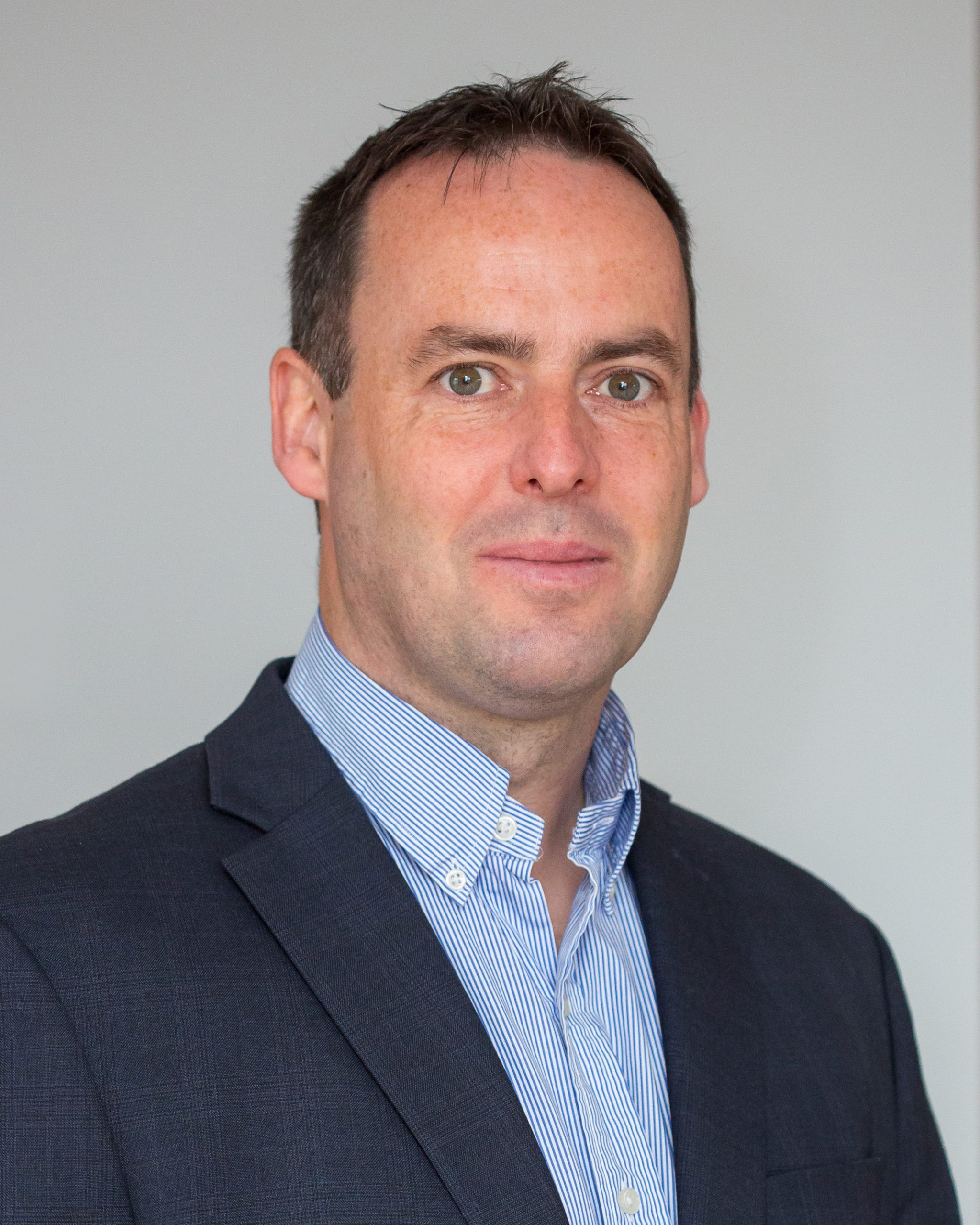
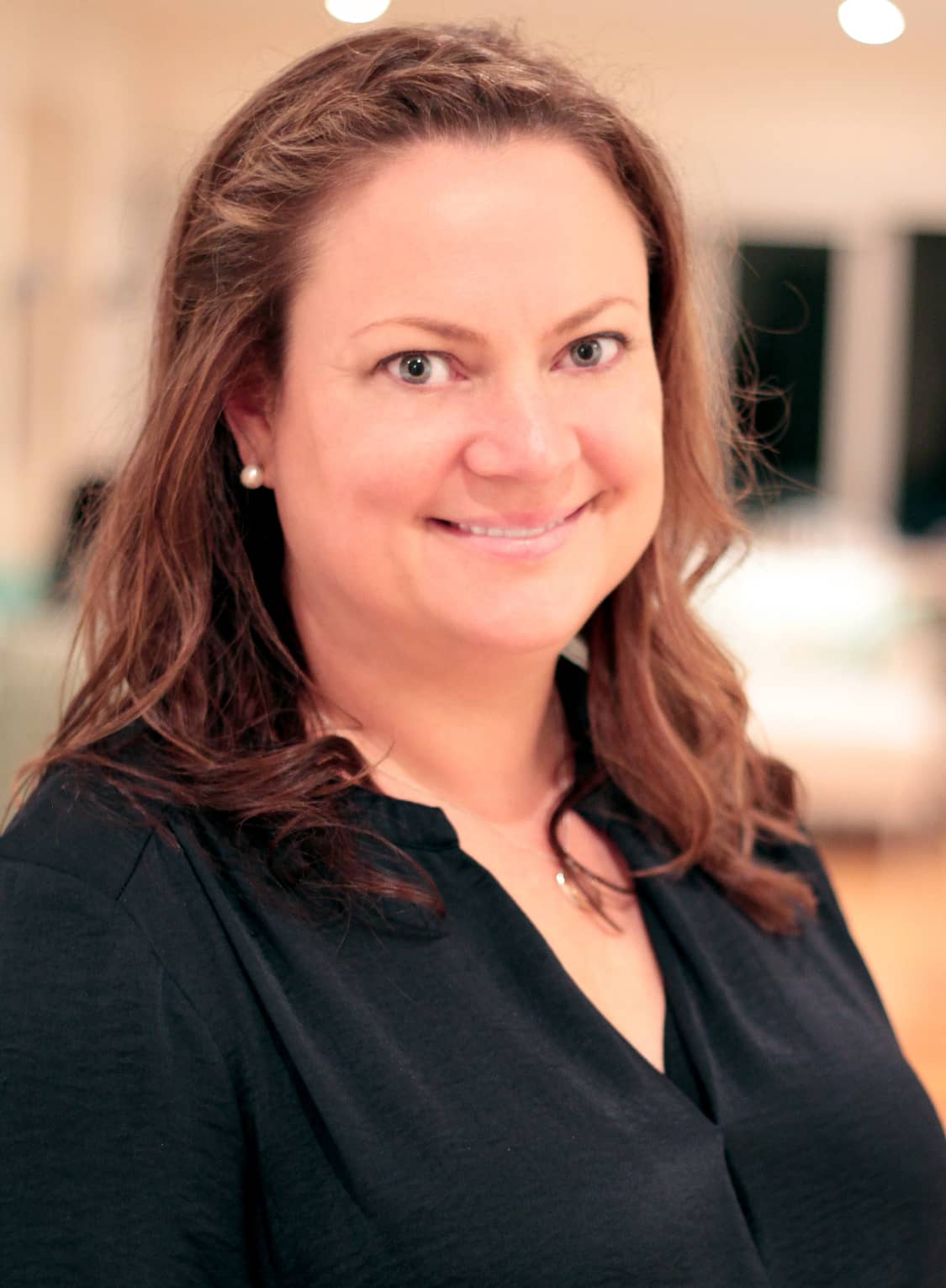
Sarah Beach and Tim King
Presentation:
Fast & Functional: Integrating Myofunctional and Manual Therapy for TMD
2 Contact Hours
TMDs are thought to be caused by internal joint/disc derangements and masticatory muscle imbalances in strength and/or motor control. These biomechanical dysfunctions have historically been attributed to poor dental occlusion and/or bruxing, however a causative relationship between TMD and occlusion/bruxing has been overestimated (Manfredini & Lobbezoo, 2010). TMD appears to be related more closely to a combination of lifestyle factors including anxiety (Baad-Hansen, 2008), parafunctional oral habits and poor sleep quality (Slade et al., 2016).
The best evidence demonstrates clearly that chronic pain is a biopsychosocial phenomenon (BPS). In other words, pain is functional, and the solution is a functional one for most patients with chronic pain, including those with TMD. A biopsychosocial understanding of TMD makes it clear that lifestyle factors, parafunctional habits and poor stomatognathic function are all interdependent factors that may contribute to the perpetuation of TMDs. As such, a wholistic approach and specific neuromuscular retraining like that which Orofacial Myofunctional Therapy (OMT) delivers, makes OMT a natural adjunct to the treatment of common TMD presentations.
OMT utilises active functional movements to retrain the muscles of the tongue, lips, jaw and face in order to aid in the stomatognathic functions of mastication, swallowing, respiration and speech. In contrast to traditional physical therapy exercise prescriptions, orofacial myofunctional exercises are focused on the tone and posture of the tongue, are active (unassisted), do not encourage painful movements and have a high emphasis on control and proprioception. OMT to treat TMD presentations has been researched in several studies, De Felicio et al. (2010) perhaps the most well conducted RCT to date.
This lecture will help you to understand the neuromuscular patterns that contribute to TMD and equip you with an introductory level of assessment and early interventions. More importantly, this lecture will give you an understanding of TMD that makes it clear that functional retraining, including OM neuromuscular retraining, has a significant role to play in helping patients with TMD.
- Learners will be able to discuss the current research / literature that demonstrates that the majority of TMD presentations are functional rather than mechanical.
- Learners will be able to differentiate presentations as functional, structural / mechanical or complex.
- Learners will be able to identify the most common masticatory muscles that contribute to TMD pain and assess these muscles with palpation and observation.
- Learners will be able to prescribe 2 OMT exercises that will assist the rehabilitation of TMD pain.
| Minutes | Topic | Learner Outcomes Addressed |
| 10 minutes | Research review – functional vs structural causes of TMD. | Outcome Number(s): 1 & 2 |
| 10 minutes | Research review – the physiology of neuromuscular TMD pain. | Outcome Number(s): 2 & 3 |
| 20 minutes | Functional assessment of masticatory muscles that contribute to TMD. | Outcome Number(s): 3 |
| 20 minutes | Palpation assessment of masticatory muscles that contribute to TMD. | Outcome Number(s): 3 |
| 20 minutes | 2 OMT exercises that improve most TMD presentations. | Outcome Number(s): 4 |
| 10 minutes | Questions and Answers | All outcomes |
Total Instructional Hours : 90 minutes
Sarah Beach is an Australian Oral Health Therapist and Orofacial Myofunctional Therapist with more than 30 years of clinical experience across general and paediatric dentistry, sleep-related disorders, breathing dysfunction, and complex temporomandibular disorder (TMD) presentations.
Her work focuses on functional rehabilitation for jaw pain, headache, breathing dysfunction,and persistent orofacial pain. Drawing on dental, myofunctional, and pain science frameworks, Sarah is known for translating complex clinical concepts into practical strategies for assessment and management. She collaborates with dental and medical specialists and allied health professionals in the care of patients with complex TMD and related functional disorders.
Sarah teaches clinicians across Australia and internationally in the areas of TMD, orofacial pain, myofunctional therapy, and functional rehabilitation. She is co-founder of Fast and Functional TMD and Orofacial Pain, where she trains clinicians to better understand the functional contributors to TMD and apply evidence-informed approaches that strengthen clinical reasoning and support better patient outcomes.
____________
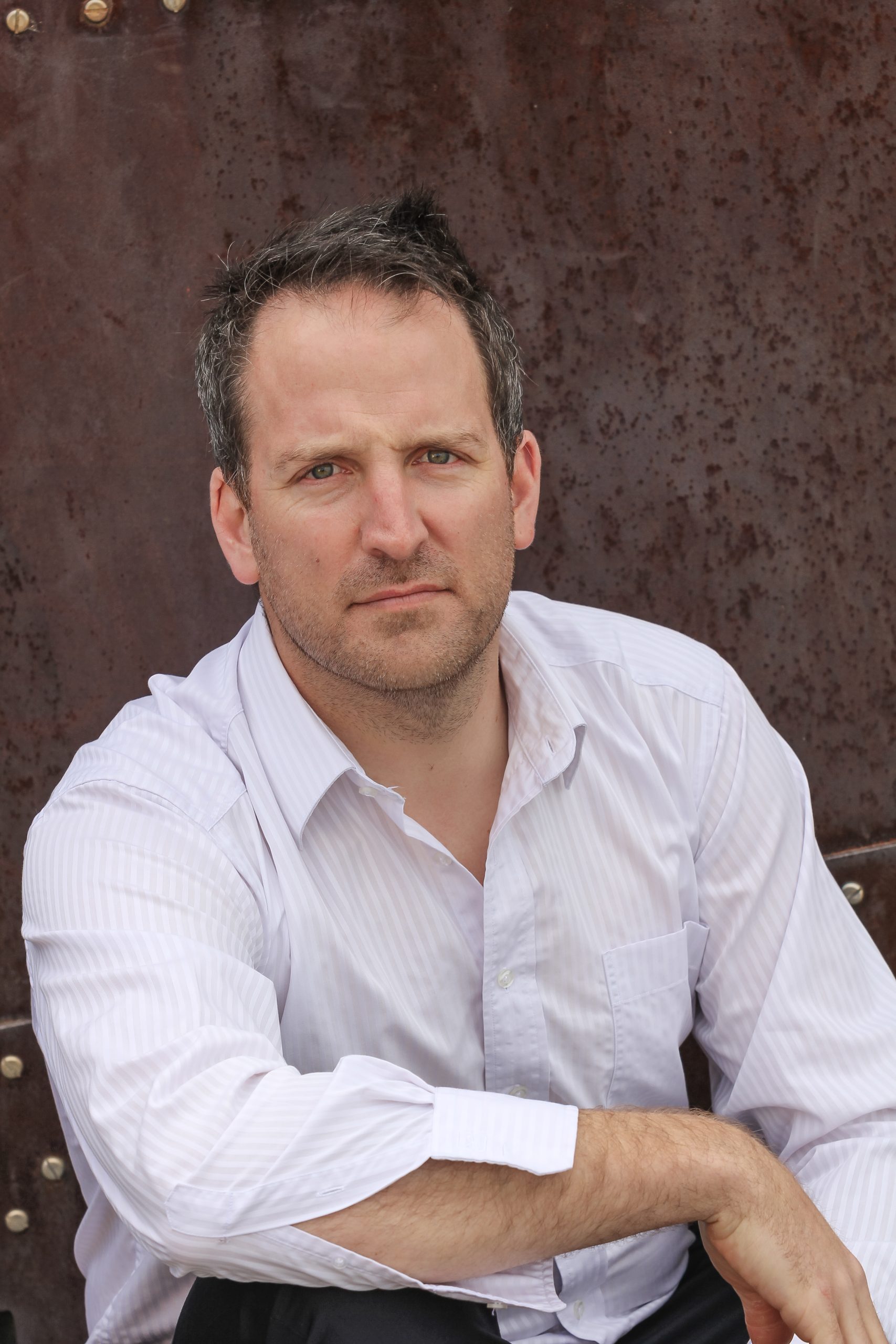
Timothy King
BHSc. BTh. Adv. Dip. App. Sci. Myotherapy, OMT, Member M.A. (Vic)
Timothy King is an innovative clinical Myotherapist from Australia with over 25 years of experience. Tim has a special interest in the relationship between fascial and chronic pain research especially as it applies to cervico-genic headache and TMD. His FNFT (Functional Neuromyo-Fascial) soft tissue techniques are incredibly efficient and have enabled him to treat
100 patients a week for years. Tim is passionate about helping manual therapists to be hands on, efficient and evidence based. Furthermore, the simplicity and efficiency of FNF techniques means they are also taught as adjunct therapy for dentists and other orofacial professionals who see TMD presentations. Tim and his family live on the Bellarine in Victoria where Tim continues to work clinically and lecture internationally.
Timothy King
- Co-founders of Fast and Functional TMD and Orofacial Pain Online course
Non Financial Disclosure:
- Convention hotel/lodging and flight stipend/reimbursement paid for by the IAOM as part of speaking
Sarah Beach
- Co-founders of Fast and Functional TMD and Orofacial Pain Online course
- NSK key opinion leader and national educator
- Dentavision educator
Non Financial Disclosure:
- Convention hotel/lodging and flight stipend/reimbursement paid for by the IAOM as part of speaking
Saturday: October 17, 2026
3:00 pm – 4:30 pm (Class 9)
Maloko Mauka Ballroom
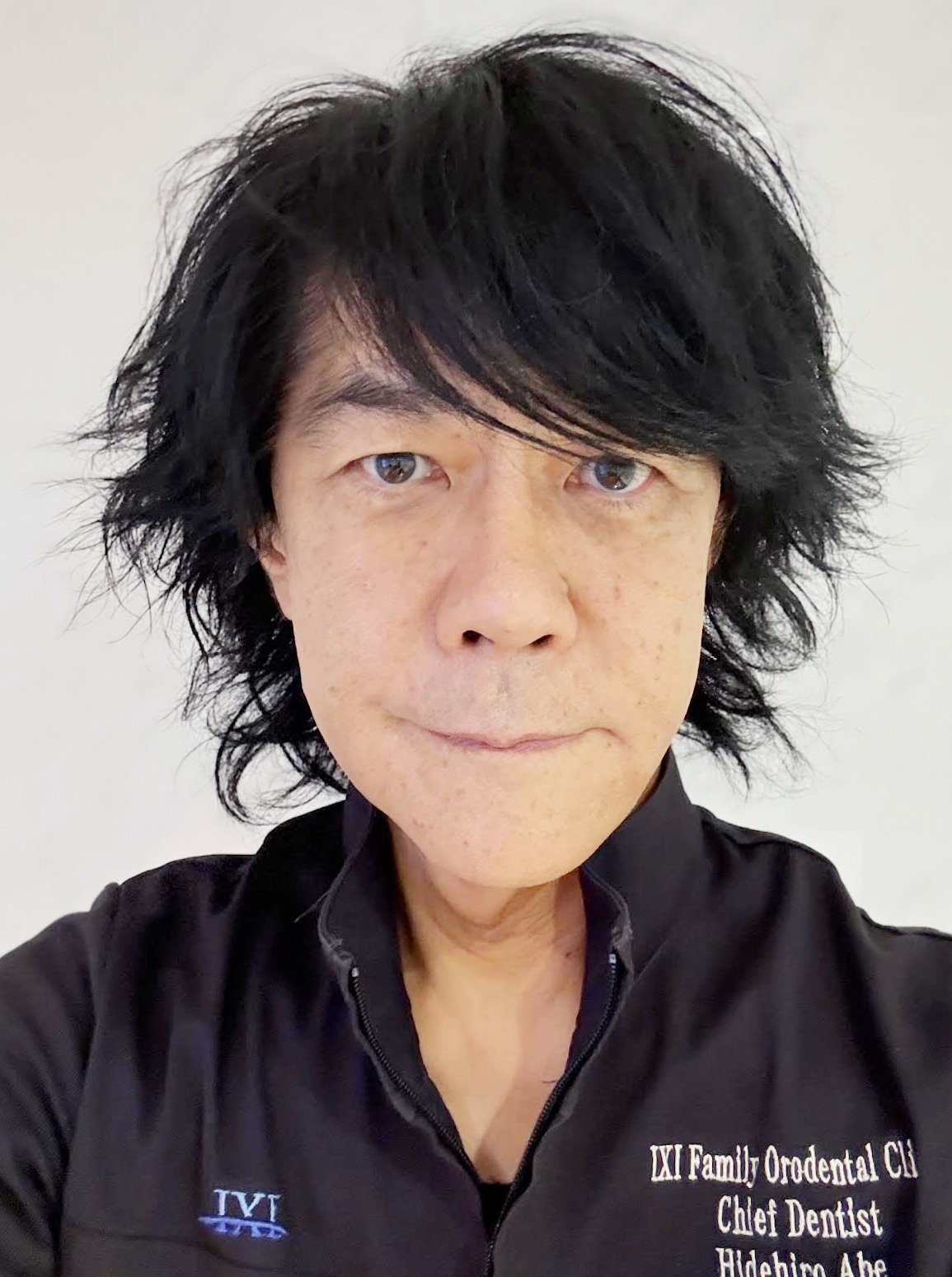
Dr. Hidehiro Abe
Presentation:
Comprehensive Oral Function Management in Japan: From Fetal Period to Adulthood
1.5 Contact Hours
Oral functional developmental disorders are characterized by the persistence of infantile swallowing and may or may not be accompanied by mouth breathing. These factors, independently or in combination, influence dental arch formation and craniofacial growth. Their impact extends beyond occlusion, affecting airway development, sleep quality, and respiratory patterns from childhood through adulthood and even into old age.
Our clinic operates an integrated system that includes both a dental practice and a nursery school, enabling continuous management of oral function from early childhood. Functional assessment and, when necessary, orthodontic intervention are provided from the preschool years through adulthood, based on growth and individual needs.
While mouth breathing is often emphasized as the primary concern, malocclusion and airway narrowing can also develop in children who do not exhibit mouth breathing but retain an infantile swallowing pattern. A precise anatomical and functional understanding of tongue posture and muscle coordination during swallowing is essential for identifying the true etiology of malocclusion. It is not sufficient to simply “strengthen the tongue.” Objective evaluation of buccinator and mentalis muscle pressure during swallowing, and strategies to reduce excessive perioral tension, are equally important.
- Describe the principles of oral developmental guidance and their relationship to craniofacial growth and airway development.
- Identify early signs of oral functional imbalance in infants and children that may contribute to altered craniofacial growth patterns.
- Explain the physiological mechanisms linking oral posture, breathing patterns, and orofacial muscle function to skeletal development.
- Differentiate between adaptive and maladaptive oral functional patterns during clinical assessment.
- Outline interdisciplinary strategies for early intervention in oral functional and airway-related disorders.
Time Ordered Agenda with Your Learner Outcomes Addressed:
| Minutes | Topic | Learner
Outcomes Addressed |
| 15 minutes | Foundations of Oral Developmental Guidance and Airway-Oriented Orthodontic Philosophy | Outcome
Number(s): 1 |
| 15 minutes | Physiological Mechanisms: Oral Posture, Breathing Patterns, and Craniofacial Growth | Outcome
Number(s): 3 |
| 15 minutes | Early Identification of Oral Functional Imbalance in Infants and Children | Outcome
Number(s): 2 |
| 15 minutes | Airway-Conscious Pediatric Orthodontic Intervention | Outcome
Number(s): 3 |
| 10 minutes | Airway Considerations in Adolescent and Adult Orthodontic Treatment | Outcome
Number(s): 4 |
| 10 minutes | Interdisciplinary Collaboration in Airway and Orofacial Myofunctional Management | Outcome
Number(s): 5 |
| 10 minutes | Questions and Answers | All outcomes |
Total Instructional Hours:: 90 minutes
Dr. Hidehiro Abe is an orthodontist and founder of the Japan Oral Development Association, one of the most widely recognized certification programs in Japan dedicated to oral developmental guidance. The Association has educated more than 4,000 healthcare professionals nationwide and currently includes over 230 affiliated dental clinics.
Dr. Abe also leads the IXI Group, an integrated healthcare organization in Japan with approximately 100 employees, operating dental clinics and two childcare centers where structured oral functional programs are implemented.
His clinical and educational work focuses on the relationship between oral posture, breathing patterns, craniofacial growth, and airway health. He actively promotes interdisciplinary collaboration among orthodontists, speech-language pathologists, and orofacial myofunctional therapists to support early intervention and long-term stability
Financial Disclosures:
- Founder and President of the Japan Oral Development Association.
- Receives tuition and educational program fees related to oral development and oral function management training.
- Private practice owner providing clinical services related to oral functional management and orthodontic care.
- No financial relationship with any commercial manufacturer related to this presentation.
Non-Financial Disclosures:
- Advocate for early oral functional intervention and interdisciplinary collaboration.
- Developer of educational curricula related to oral developmental guidance.
- Holds professional interest in airway-focused orthodontics and oral function rehabilitation. The content of this presentation reflects my independent clinical and educational experience.
- Convention hotel/lodging and flight stipend/reimbursement paid for by the IAOM as part of speaking
Sunday: October 18, 2026
9:00 am – 10:00 am (Class 10)
Maloko Mauka Ballroom
Rebecca Rose
Presentation 1:
Function Meets Form: The Critical Role of Myofunctional Therapy in Orthognathic Surgery
1.0 Contact Hours
Orthognathic surgery can create significant structural correction for patients with skeletal discrepancies; however, long-term success depends on effective neuromuscular adaptation. This presentation explores the essential role of myofunctional therapy in supporting functional stability before and after orthognathic surgery.
Participants will examine the functional consequences of jaw discrepancies, including effects on breathing, oral rest posture, swallowing patterns, and orofacial muscle coordination. The course addresses the common misconception that function automatically normalizes following surgical correction and emphasizes the influence of muscle patterns on long-term skeletal stability.
The presentation outlines the timing and goals of myofunctional therapy across the surgical continuum. Pre-surgical therapy focuses on assessing neuromuscular readiness using functional markers such as tongue posture and tone, nasal breathing, oral rest posture, and basic swallow patterns. Participants will learn how early intervention supports surgical planning, patient compliance, and post-operative adaptation.
Post-surgical myofunctional therapy is discussed as a structured approach to support healing, guide functional restoration, and reduce compensatory patterns that may compromise surgical outcomes. Appropriate early intervention priorities and progression of therapy are reviewed within a scope-appropriate framework.
Interdisciplinary collaboration is emphasized throughout the course. Participants will gain clarity on the role of the myofunctional therapist within surgical and orthodontic care teams, including effective communication of therapy goals, functional progress, and professional boundaries.
This course is intended for dental, speech, and orofacial myology professionals seeking to strengthen clinical reasoning, enhance interdisciplinary care, and improve long-term functional outcomes for orthognathic surgery patients. Participant learning is evaluated through post-course proficiency questions aligned with stated educational objectives.
- Describe the anatomical and functional changes associated with orthognathic surgery that impact orofacial muscle patterns.
- Identify the ideal timing and goals of myofunctional therapy intervention in relation to orthognathic surgery (pre- and post-operative phases).
- Assess a patient’s readiness for surgery and post-op recovery based on functional markers (e.g., oral rest posture, tongue tone, nasal breathing, basic swallow pattern).
- Collaborate effectively with surgical and orthodontic teams by communicating relevant therapy goals and progress benchmarks.
Time Ordered Agenda with Your Learner Outcomes Addressed –
| Minutes | Topic | Learner
Outcomes Addressed |
| 5 minutes | Introduction & Clinical Context | Outcome
Number(s): 1 |
| 10 minutes | Functional Foundations of Skeletal
Discrepancy |
Outcome
Number(s): 1 |
| 10 minutes | Misconceptions About Function After Surgery | Outcome
Number(s): 2 |
| 10 minutes | Pre-Surgical Myofunctional Therapy | Outcome
Number(s): 3 |
| 10 minutes | Post-Surgical Myofunctional Therapy | Outcome
Number(s): 4 |
| 10 minutes | Case Studies (2) | Outcome
Number(s): 5 |
| 5 minutes | Summary, Assessment and Q & A | Outcome
Number(s):1-5 |
Total Instructional Hours: 60 minutes
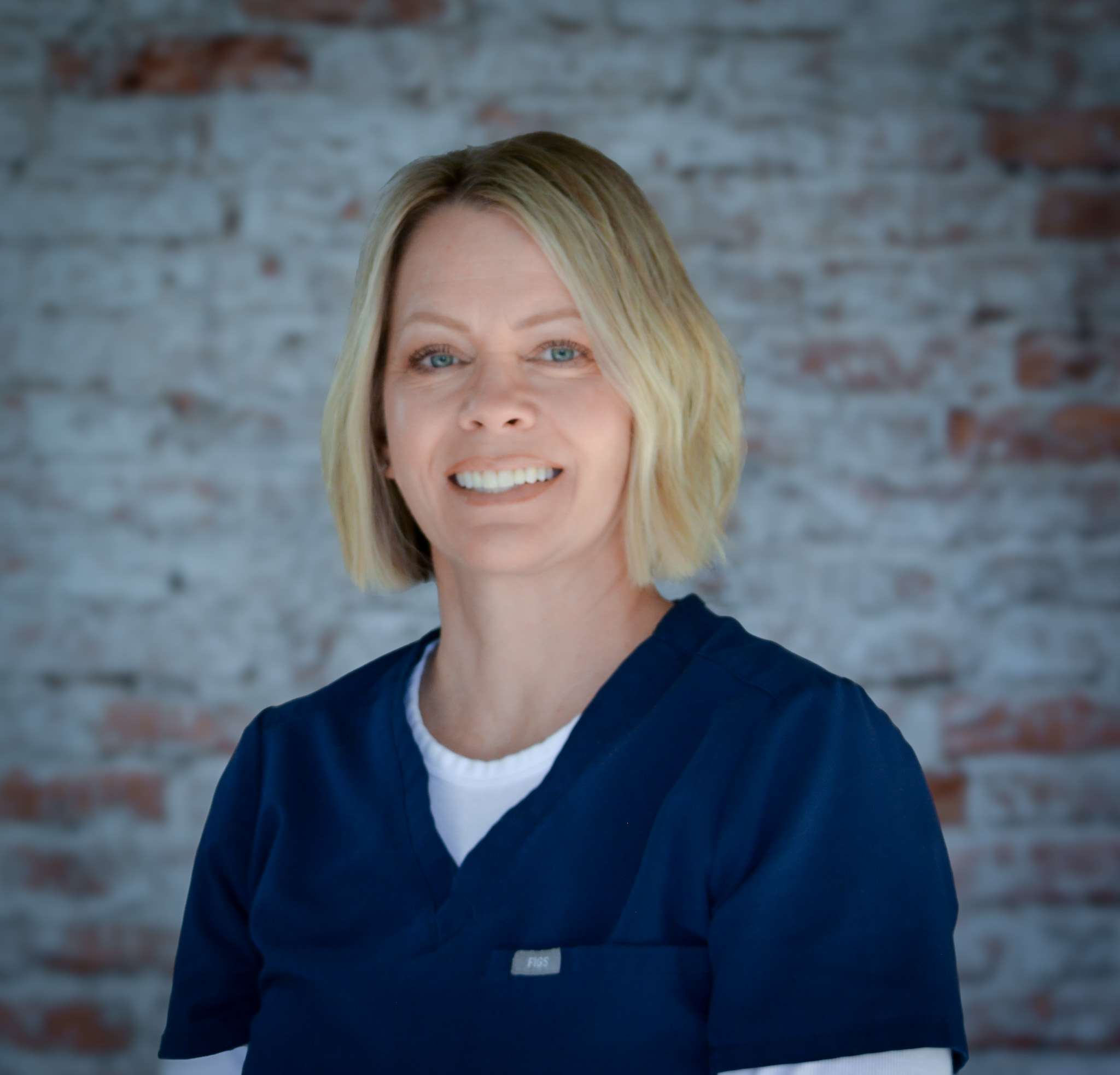
Rebecca Rose, RDH is a dedicated myofunctional therapist and dental hygienist with more than 3 decades of experience in dentistry, including 26 years in clinical hygiene. She speaks to dental professionals about the critical connections between airway health, orofacial function, and whole-body wellness.
Rebecca is known for her ability to translate complex clinical concepts into practical, patient-focused strategies. She frequently presents at local dental study clubs, private dental offices, where she inspires teams to elevate their approach to patient education and care.
Financial Disclosures:
- None
Non-Financial Disclosures:
- Convention hotel/lodging and flight stipend/reimbursement paid for by the IAOM as part of speaking
Sunday: October 18, 2026
10:30 am – 12:00 pm (Class 11)
Maloko Mauka Ballroom
Dr. Donny Mandrawa
Presentation 1:
Beyond the Tongue: How Cranial Dynamics Shape Airway and Function
This presentation explores the dynamic relationship between cranial function and orofacial myofunctional patterns, reframing the mouth not as an isolated structure, but as part of a neurologically integrated craniofacial system. It challenges the traditional mechanical view of malocclusion and dysfunction by introducing a broader model that includes cranial mobility, nervous system regulation, airway development, and functional muscle patterning.
We begin by examining the cranial system from a structural and neurophysiological perspective. The cranial bones, sutures, dural membranes, and their relationship to the autonomic nervous system create a foundational environment in which oral function develops. Restrictions within the cranial base — particularly involving the sphenoid, occiput, temporal bones, and maxilla — can influence tongue posture, palatal form, mandibular position, and airway patency. These patterns are not random; they reflect adaptive responses to strain, birth forces, airway obstruction, and early feeding challenges.
The presentation then connects cranial strain patterns to common myofunctional findings such as low tongue posture, mouth breathing, tongue thrust, narrow maxillae, bruxism, and sleep-disordered breathing. Attendees will see how altered cranial motion may affect vagal tone, sympathetic dominance, and neuromuscular coordination. In this model, dysfunctional oral habits are not merely behavioral issues — they are often compensatory strategies within a dysregulated system.
A key focus is the bidirectional relationship between structure and function. Myofunctional disorders can perpetuate cranial tension, just as cranial restrictions can perpetuate dysfunctional muscle patterns. For example, a compressed maxilla may reduce nasal airflow, encouraging mouth breathing, which then reinforces altered tongue posture and further limits transverse growth. Similarly, unresolved dural strain may impact mandibular positioning and occlusal stability.
Clinical integration is a central theme. The presentation outlines practical ways to assess cranial patterns alongside myofunctional evaluation, including observation of head posture, breathing dynamics, palatal morphology, and neuromotor coordination. It also discusses how gentle cranial techniques, when practiced within appropriate professional scope, may complement myofunctional therapy by improving tissue mobility, autonomic balance, and proprioceptive feedback.
Importantly, the session emphasizes interdisciplinary collaboration. Dentists, orthodontists, osteopaths, chiropractors, speech pathologists, and myofunctional therapists each bring critical pieces to patient care. When cranial and myofunctional perspectives are integrated, treatment planning shifts from tooth alignment toward airway optimization, growth guidance, and long-term physiologic stability.
The presentation concludes by proposing a paradigm shift: stable orthodontic and airway outcomes require more than appliances and exercises. They require recognition of the cranial system as a living, adaptive structure influencing muscle tone, respiration, and facial development. By understanding the interplay between cranial mechanics and myofunctional patterns, clinicians can move toward more predictive, biologically coherent treatment models that support whole-person health.
Attendees will leave with a deeper appreciation of the cranial–myofunctional connection and practical strategies to enhance diagnostic insight, clinical reasoning, and collaborative care within an airway-focused framework.
- Understand the Cranial–Myofunctional Connection
Describe how cranial mobility, sutural strain, and dural tension influence tongue posture, airway development, and facial growth. - Recognise Compensatory Patterns
Identify common myofunctional presentations (mouth breathing, tongue thrust, bruxism, narrow maxilla) as potential adaptations to cranial and autonomic dysfunction. - Integrate Assessment Frameworks
Apply a structured approach to assessing cranial dynamics alongside myofunctional evaluation within clinical scope of practice. - Enhance Interdisciplinary Treatment Planning
Formulate more comprehensive, airway-focused treatment plans through collaboration with osteopaths, chiropractors, speech pathologists, and other allied professionals. - Improve Long-Term Stability
Implement strategies that address both structure and function to improve orthodontic stability, airway outcomes, and overall physiologic regulation.
Time Ordered Agenda with Your Learner Outcomes Addressed
Learner Outcome Numbers
| Minutes | Topic | Learner Outcomes Addressed |
| 20 minutes | Understand the Cranial–Myofunctional Connection | Outcome Number(s): 1 |
| 15 minutes | Recognise Compensatory Patterns | Outcome Number(s): 2 |
| 15 minutes | Integrate Assessment Frameworks | Outcome Number(s): 3 |
| 15 minutes | Enhance Interdisciplinary Treatment Planning | Outcome Number(s): 4 |
| 15 minutes | Improve Long-Term Stability | Outcome Number(s): 5 |
| 10 minutes | Questions and Answers | All Outcomes |
Total Instructional Hours: 90 minutes
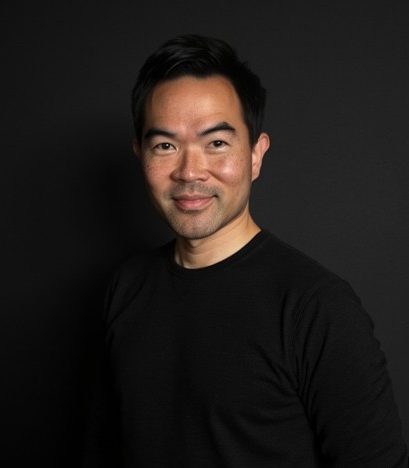
Dr. Donny Mandrawa
BDSc (Melbourne) FICOI FPFA FIADFE PGDip Orthodontics Dentofacial Orthopedics (UK)
In 1998, Dr. Donny graduated from the University of Melbourne as a general dentist. His
first exposure to Orofacial Myofunctional Orthodontics was in 2001. He pursued further education in the fields of Dentofacial Orthopedics and Orthodontics by completing the mini residency programs of Dr. Skip Truitt in 2002 and Dr. Derek Mahony in 2005. Additionally, he gained extensive knowledge and understanding of the whole body connection, by undergoing studies in Chirodontics, in 2003, from Dr. Robert Walker. In 2008,
he completed the mini residency program by Dr. Steven Olmos, in Temporomandibular Joint
(TMJ) dysfunctions and motor reflexes. He then obtained his Invisalign Accreditation in
2010.
An opportunity came up in 2002 for him to travel to the north of India, as a dental
volunteer. He was one of a group of only 2 dentists and 2 dental assistants, treating
hundreds of Nepalese orphans for their acute dental needs, over a number of weeks. During
his time there, he was based mainly in Dharamshala, and was fortunate enough to meet
with the Dalai Lama.
In 2004, he co-founded his first dental practice in the west of Melbourne, followed by
establishing his second in the east of the city, in 2012. He co-founded his third in 2017,
located in the suburb of North Melbourne.
Dr. Donny’s interests in Early Intervention and Myofunctional Orthodontics developed
intensely through the years. He learnt the art of Orofacial Myofunctional Therapy from The
Coulson Institute by Sandra Coulson (Speech Pathologist) on multiple occasions, along with
further training from the Myofunctional Research Company. He also deepened his
knowledge and skills of evaluating and managing tethered oral tissues, from the Tongue Tie
Institute, by Dr. Marjan Jones and Dr. Dan Hanson.
With his passion of helping the future generations to become healthier, he began educating
to various health professionals to spread the message broadly, with his first lecturing
engagement being in 2014, to an audience of 150 dentists, for the University of Airlangga in
Surabaya, Indonesia.
Since 2017, he has been co-educating with Dr. Dan Hanson, as Myofocus Education. They
have taught Dentists, Orthodontists, Orofacial Myologists, Oral Health Therapists,
Chiropractors, Osteopaths, Speech Pathologists, Ear Nose Throat Specialists, Lactation
Consultants, and other health providers, in-person around Australia, Japan, USA, and
Malaysia, but to plenty more corners of the globe through their online educational platform.
He also presented as part of a panel of multi-disciplinary health providers in the inaugural
International Consortium of Ankylofrenula Practitioners Conference in Toronto, Canada, in
2018.
He is a regular guest lecturer for Dr. Derek Mahony’s EODO Orthodontic Mini Residency,
and Dr. Damian Teo’s Sleep and TMJ Mini Residency. Together with Dr. Dan Hanson, Dr. Donny co-created the Myofocus Take Off Algorithm, which is the first ever system of delivering Orofacial Myofunctional Therapy using individualized algorithmic prescriptions. They currently have over 170 different prescriptions to train patients in correcting their orofacial dysfunctions.
Another medium that he uses to educate more people about wholistic functional oral health
is through social media. His followers on his Facebook and Instagram pages are steadily
building. He shares many case studies, research papers, and interesting health concepts
through them.
Dr. Donny is a Fellow of the International Congress of Oral Implantology, a Fellow of the
Pierre Fauchard Academy, and a Fellow of the International Academy of Dental Facial
Esthetics. He has also received his Post Graduate Diploma in Orthodontics and Dentofacial
Orthopedics from the London Dental Institute in the United Kingdom. As an airway centric
dentist, he has now restricted his practice to Early Intervention Orofacial Myofunctional
Dentistry, within the scopes of Dentofacial Orthopedics, Orthodontics, Dental Sleep
Medicine, and Tethered Oral Tissues. His youngest patient so far was 2 days old, and his
oldest was 74 years old.
As of 1st July 2025, Dr. Donny has taken a break from running courses, seminars and
symposiums, as part of Myofocus Education. He does still guest present, on invitational
bases, at scientific conferences and meetings in Australia and internationally. He is now
focusing on further studies and implementing new protocols to help the future generations
to receive even better functional healthcare. His passion remains at helping children with
their growth and development, from a myofunctional dentistry perspective.
Financial disclosures:
- I am receiving royalties from the sale of my book through the Amazon platform
- I am not financially affiliated with any entities, nor companies, except for my own entities, related to my private practices, and to my book and education programs
Non-financial disclosures:
- I am the President of the Australian Section of the International Association for Orthodontics
- I am the co-creator of the Myofocus Take Off Orofacial Myofunctional Therapy Algorithm
- The presentation I am sharing has been created through more than 20 years of building knowledge and skills from my mentors, teachers, colleagues and friends, and I thank all of them for shaping the practitioner that I am today
- I have been provided a table/booth to launch and sign my book, Behind The Smile, in which the IAOM has been assisting me in promoting it
- Convention hotel/lodging and flight stipend/reimbursement paid for by the IAOM as part of speaking
Sunday: October 18, 2026
1:00 pm – 3:00 pm (Class 12)
Maloko Mauka Ballroom
Dr. Geivelis & Dr. Kelly Wells
Presentation 1:
The Integrative Approach to TOTs: Incorporating Myofunctional Therapy & Craniopathy
2.0 Contact Hours
Tongue tie has become a hot topic, particularly over the past 5 years. Tethered oral tissues have become more widely accepted and understood, and providers are finally recognizing their deeper impact. This increasing exposure has also led to increased confusion.
Questions about technique, tools, training, timing, and more, flood social media and forums. Providers disagree about how to achieve the best outcomes for patients. Dr. Milton Geivelis is a renowned leader in the world of tethered oral tissues, providing clarity, education, and exceptional surgical outcomes. His desire to help others and commitment to professional excellence drives him to continuously further his knowledge and training in his field. Dr. Geivelis will give clear, concise, and data-driven answers to these common questions.
Many providers and patients are also missing crucial information, and sometimes receiving misinformation, about the essential role of craniopathy and fascial therapy in tethered oral tissues. Dr. Kelly Hibler Wells is a Sacro Occipital Technique craniopath and Airway Chiropractor, specializing in the head and neck & pediatrics. She will give a holistic overview of fascia and craniopathy and define the catch-all term “bodywork”, as well as differentiate the types and when/why to choose each.
Dr. Geivelis and Dr. Wells will also review some of the 800+ craniopathically guided releases they have performed together, illustrating the importance of “bodywork” **before, during, and after** releases. When providers truly understand and appreciate (and embrace) this model, patients achieve greater outcomes.
- Explore the controversies and areas of confusion surrounding the diagnosis and treatment of tethered oral tissues.
- Identify criteria for selecting technique, tools, and timing for tongue-tie release procedures; identify criteria for selecting a release provider
- Explain the role of craniopathy and fascial therapy in supporting optimal outcomes before, during, and after tongue-tie releases.
- Differentiate types of “bodywork” and determine when each approach may be most appropriate in the management of patients with tethered oral tissues.
- Recognize the benefits of an interdisciplinary model of care through case examples from over 800 craniopathically guided release procedures.
Time ordered agenda with Learner Outcome Numbers
| Minutes | Topic | Learner Outcomes Addressed |
| 5 minutes | Welcome & Framing Overview (Co-Presented) | Outcome Number(s): 1-5 |
| 15 minutes | Controversies & Clinical Confusion
– Dr. Geivelis |
Outcome Number(s): 1 |
| 25 minutes | Surgical Decision-Making: Technique,Tools & Timing Confusion | Outcome Number(s): 2 |
| 5 minutes | Bridge to Collaborative Care –
Dr. Geivelis |
Outcome Number(s): 5 |
| 20 minutes | The Missing Link: Fascia &
Craniopathy – Dr. Wells |
Outcome Number(s): 3 |
| 15 minutes | Defining “Bodywork” & Clinical
Application – Dr. Wells |
Outcome Number(s): 4 |
| 20 minutes | 800+ Collaborative Releases
|
Outcome Number(s): 5 |
| 15 minutes | Joint Integration & Q&A
|
All Outcomes |
Total Instructional Hours: 120 minutes
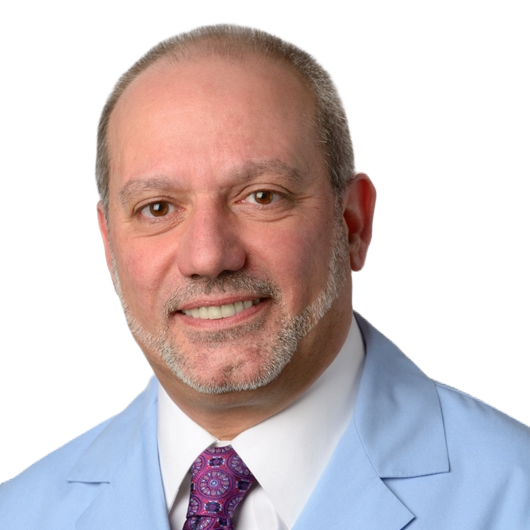
Milton Geivelis, DDS, MS
Dr. Geivelis is a Periodontal Surgeon, whose practice is limited to Periodontics, Dental Implants, and Laser Surgery. Dr. Geivelis is in private practice in Bartlett, IL. He is also on staff at Northwestern Medicine (Central DuPage Hospital), Department of Surgery.
Born in Athens, Greece, Dr. Geivelis received his dental and graduate training from Northwestern University. He has a Doctor of Dental Surgery Degree, a Master of Science Degree, and a Specialty Degree in Periodontics and Dental Implants.
Dr. Geivelis is a Diplomate of the American Board of Periodontology.
From 1993 to 2001, Dr. Geivelis was professor and director of Graduate Periodontics at Northwestern University Dental School, training the residents in Periodontal Surgery and Dental Implants. He has been involved in academic research and has authored and co-authored several scientific articles. His clinical interests have been in Soft Tissue Grafting, Bone Regeneration procedures, and Computer Guided Surgery for the placement of Dental Implants. In the last 12 years however, Dr. Geivelis has dedicated a significant amount of his time to Airway issues and Sleep. He treats infants, children and adults with tongue-ties and lip-ties (Tethered Oral Tissues-TOTs). He collaborates with some of the most well-known and skilled clinicians in these procedures (Dr. Bobby Ghaheri, Dr. Larry Kotlow, Dr. Scott Siegel, Dr. Soroush Zaghi ). In March, 2019 he completed a mini residency in Lingual Functional Frenuloplasty (LFF) with Dr. Soroush Zaghi (ENT), in Los Angeles. He was Dr. Zaghi’s first resident. Since then he has performed 4000+ LFF procedures in children and adults and 8000+ Frenectomies in infants.
Dr. Geivelis has been instrumental in bringing together an amazing group of Healthcare professionals in the Chicagoland area including Primary Care Dentists, Primary Care Providers, ENTs, Sleep Medicine Physicians, Orthodontic providers, Chiropractors, IBCLCs, and Therapists of all types. This group collaborates and follows set protocols in the treatment of all patients, but especially children, for the best possible outcomes.
Dr. Geivelis lectures on Periodontics, Implants, as well as Tethered Oral Tissues nationally and internationally. He has been given several academic and clinical awards for his work as a scientist and a Periodontist.
Bio:
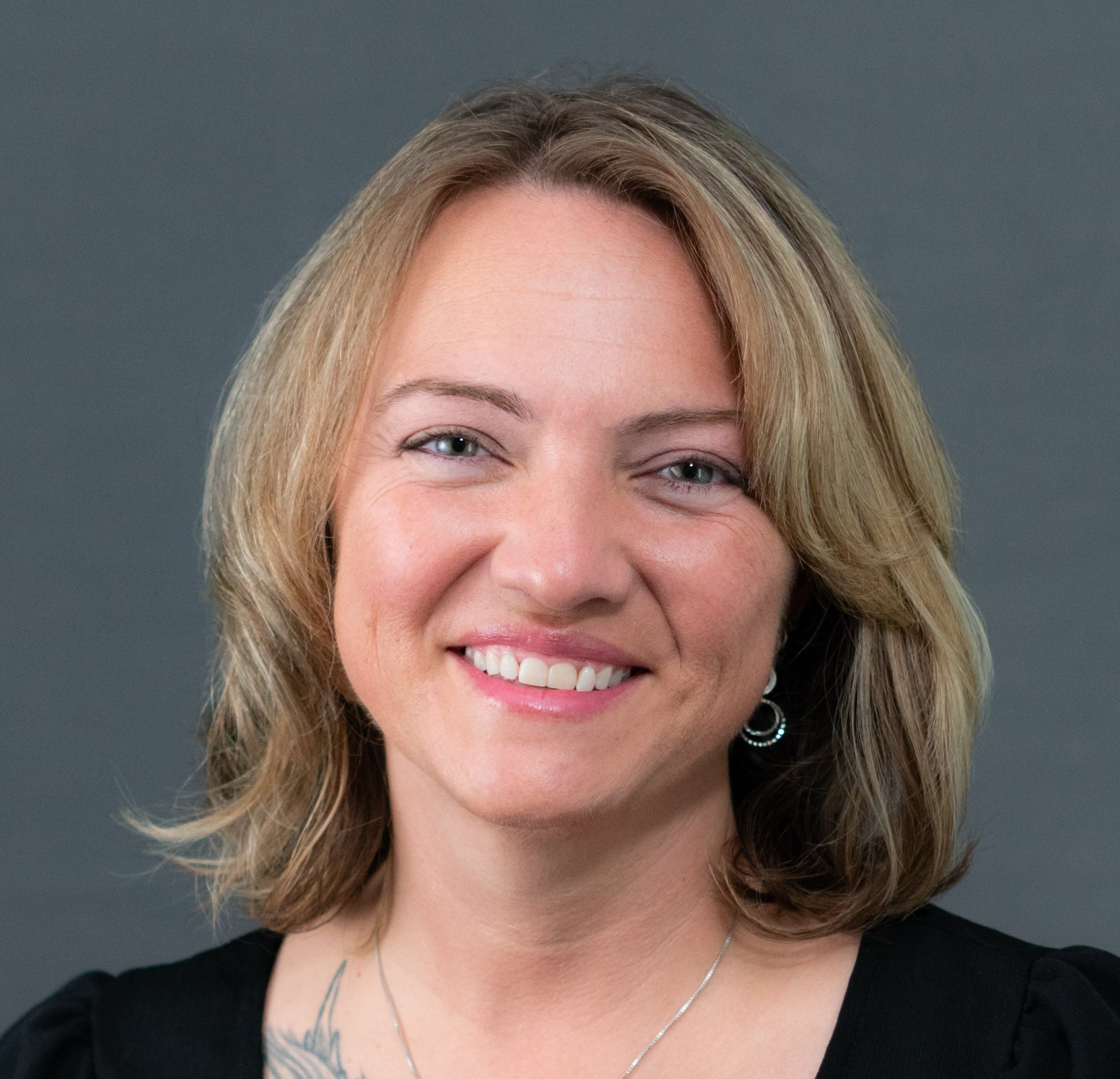
Dr. Kelly Wells is an S.O.T. chiropractor and craniopath specializing in whole body balance
& how it relates to the airway. With a background in kinesiology and Olympic weightlifting,
becoming a chiropractor was a natural choice. While in school, she learned from incredible
mentors about breathing and fascia, and their impact on the nervous system. After a
decade working with concussion and TMJ dysfunction in athletes and veterans, her own
newborn struggled with severe sleep, feeding, and sensory challenges. This led her to dive
into deeper studies on the development of common issues she saw in her adult patients.
Since 2017, Dr. Wells has been involved in airway co-treatment with dentists &
orthodontists, as well as continuing her work as a craniopath/manual therapist, Rocabado
TMJ therapist, and certified orofacial myologist. She applies her knowledge of the nervous
and musculoskeletal systems, nutrition, TMJ, breathing, and more to help patients of all
Ages.
Dr. Wells has completed extensive pediatric training and is regarded as a pediatric cranial
specialist in her area, with a wide range of providers referring babies of all ages to her oƯice
(including newborns). She is a diplomate Buteyko Clinic International instructor, a certified
Oxygen Advantage instructor, is involved in breastfeeding education in her community. Her
myofunctional therapy training includes tongue/lip tie assessment and specialized pre &
post-op frenectomy protocols for all ages. Dr. Wells speaks at professional conferences
internationally on the integrative aspect of facial and airway development, weaving in her
knowledge of the complex interactions of body systems, nutrition, TMJ, and breathing to
every presentation and lecture.
Dr. Geivelis
Financial Disclosures:
- None
Non-Financial Disclosures:
- Dr. Wells performs work in Dr. Geivelis’s office; she is not employed by him and he does not receive any compensation for the use of his space.
- Convention hotel/lodging and flight stipend/reimbursement paid for by the IAOM as part of speaking
Dr. Kelly Wells-
Financial Disclosures:
- None
Non-Financial Disclosures:
- Dr. Wells performs work in Dr. Geivelis’s office; she is not employed by him and he does not receive any compensation for the use of his space.
- Convention hotel/lodging and flight stipend/reimbursement paid for by the IAOM as part of speaking
Sunday: October 18, 2026
3:00 pm – 4:00 pm (Class 13)
*This presentation will be delivered live via Zoom*
Dr. Jeevanan Jahendran
Presentation:
Exploring The Concept of Upper Aerodigestive Health: Delving into Structural Complexities and Functional Significance
1.0 Contact Hours
Presentation Summary
This presentation explores the concept of upper aerodigestive health as an integrated system in which structure and function are inseparably linked. Rather than viewing the airway as a series of isolated segments, it highlights how the nose, craniofacial skeleton, oral cavity, pharynx, and associated neuromuscular control mechanisms work together to maintain efficient breathing, sleep stability, and overall physiological balance.
A central theme is the influence of structural anatomy on airway behaviour. Variations such as septal deviation, turbinate and adenotonsillar hypertrophy, and craniofacial patterns including high-arched palates or skeletal malocclusion relationships can significantly alter airflow dynamics. These structural features increase airway resistance, promote mouth breathing, and predispose individuals to collapsibility during sleep. The downstream effects are not limited to sleep-disordered breathing but extend to altered craniofacial development, impaired nasal function, and compromised quality of life.
Equally important is the functional dimension of airway health. Neuromuscular tone, ventilatory control, and arousal responses play a critical role in maintaining airway patency, particularly during sleep. Instabilities in these systems may manifest as flow limitation, paradoxical breathing, or fragmented sleep architecture. The presentation underscores how these functional disturbances often coexist with structural vulnerabilities, creating a self-reinforcing cycle of airway dysfunction.
Clinical case integration forms a key component of the discussion, illustrating how patients with similar diagnostic labels such as obstructive sleep apnoea may exhibit vastly different underlying phenotypes. For example, individuals with positional dependency, high flow limitation, or significant nasal resistance require tailored management strategies rather than a one-size-fits-all approach. The interplay between airway obstruction and secondary phenomena, such as sleep bruxism, further emphasizes the need to identify root causes rather than treating isolated symptoms.
The presentation advocates for a comprehensive, systems-based approach to diagnosis and management. This includes careful assessment of nasal patency, craniofacial structure, sleep study parameters, and functional breathing patterns. Therapeutic strategies may involve a combination of interventions, including positive airway pressure therapy, positional modification, nasal optimization, oral appliances, or surgical correction of structural abnormalities. Importantly, addressing upstream contributors such as nasal obstruction can significantly enhance treatment tolerance and effectiveness.
Ultimately, this talk reframes upper aerodigestive health as a dynamic continuum that spans development, structure, and function. By integrating anatomical insights with physiological understanding, clinicians can move toward more precise phenotyping and individualized care.
This approach not only improves clinical outcomes in airway disorders but also broadens the perspective on how airway health influences overall well-being across the lifespan.
Learner Outcomes Below
- Understand the integrated concept of upper aerodigestive health and how structural and functional factors interact to influence breathing, sleep, and orofacial development.
- Identify key structural contributors to airway dysfunction across the lifespan of an individual
- Apply a multidimensional integrated systems-based approach to assessment and management which involves an interdisciplinary team
- Adapt myofunctional therapy strategies based on airway phenotype, including when therapy alone is insufficient without structural intervention.
- Assess patient suitability and limitations – finding a balance between structural correction, functional rehabilitation and a lifelong commitment to optimal health
Bio:
Dr. Jahendran, a distinguished Otorhinolaryngologist, earned his Master’s degree from the National University of Malaysia in 2004. From 2004 to 2011, he served as a Lecturer & Consultant ENT surgeon at the university’s teaching hospital. Presently, he practices at Pantai Hospital Kuala Lumpur, where his focus has transitioned from nose-related conditions to sleep-related breathing disorders since 2016. Driven by a passion for airway health, he embraced airway orthodontics, evolving into a pioneer of an integrative approach to breathing and upper airway health. Dr. Jahendran, a committed advocate of education, has not only excelled as a practitioner but also assumed leadership roles, including the presidency of the Malaysian Society of Otorhinolaryngologists Head and Neck Surgeons. His influence extends to the formation of the College of Otorhinolaryngologists Head and Neck Surgeons under the Academy of Medicine Malaysia. Dr. Jahendran’s organizational contributions include noteworthy events like the Inaugural Asean Sleep Congress in 2012, Asian Research Symposium in Rhinology in 2016, and the annual ENT Summit. Recently, he spearheaded the Integrative Airway Summit in 2022 with the successful second edition of the meeting in 2025. His dedicated work centers on the integration of multiple specialties to promote airway health and functional breathing.
Financial Disclosures
- None
Non-Financial Disclosures:
- Convention hotel/lodging and flight stipend/reimbursement paid for by the IAOM as part of speaking